what to bring to Chile

27 Top Chile Packing List Items for 2026+ What to Wear & NOT to Bring

By - Updated on

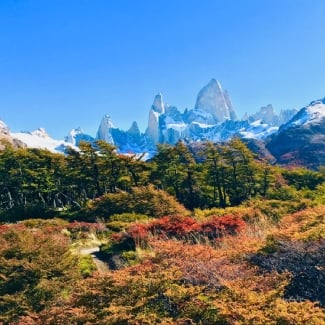
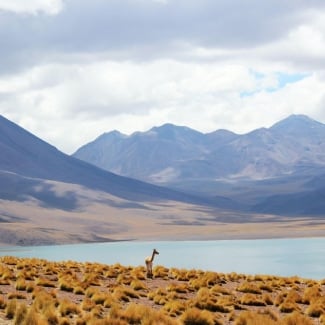
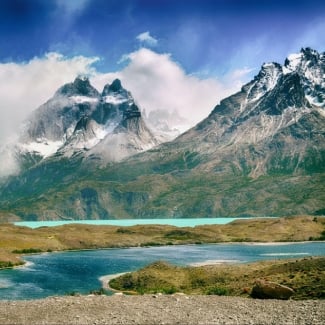
As the longest country in the world, Chile does not disappoint the adventurous traveler. Chile has some of the most diverse terrains in the world. You can find beaches, deserts, snow-capped mountains, and huge metropolitan cities - all in the same country.

Chile is a hidden gem in South America in its abundance of diversity and things to see. It is home to five UNESCO World Heritage sites, including Easter Island and Valparaiso. Cradled between the Pacific Ocean and the Andes mountains, there is no doubt that Chile is a must-see for travelers in South America. Here are the essential items you should pack, things you should keep in mind, what to wear in Chile, and FAQs, if you plan on traveling to Chile.

Table of contents
See our product selection criteria and guidelines here.

What to Pack for Chile – 27 Essentials

  • 1. International Travel Adapter

    International Travel Adapter

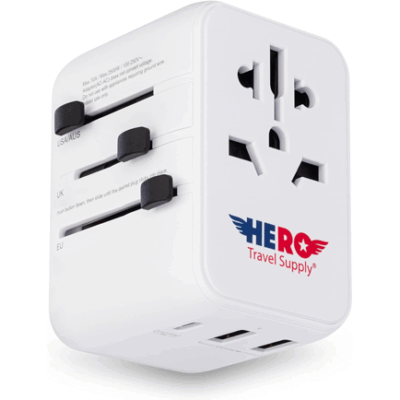
    Chile uses type C and L-type outlets, which have two or three round pins. Bringing a travel adapter is necessary to be able to charge your electronics. The HERO universal travel adapter is light and compact, and has port adapters compatible with over 100 countries, making it useful for travel beyond Chile.

    View on Amazon.com

  • 2. Alternative Down Puffer Jacket

    Alternative Down Puffer Jacket

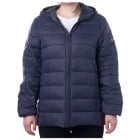
    Chile has extreme temperatures, with winters ranging from 28 to 50°F. Packing a puffer jacket can especially come in handy when traveling to the Patagonia region of the country, which has winter temperatures that can easily linger around freezing or below it! To be fully prepared to travel the entirety of Chile, it is important to pack for colder weather so you’re properly insulated from the frost.

    View on Amazon.com

  • 3. Virtual Private Network (VPN)

    how a vpn works

    Buying a VPN package for your devices is overall a wise investment to make, but it can really make a difference while traveling. VPNs provide a digital protection shield, which prevents hackers from stealing sensitive information such as your passwords, credit card numbers, and other data. Additionally, when you are in another country, you can use a VPN to set your browsing to your home country so you can have access to your favorite Netflix shows and access any websites specific to your home country.

    View options at NordVPN

  • 4. Quick-Dry Travel Towel

    travel towel

    Gone are the days of packing a full bath towel when traveling internationally. This lightweight travel towel dries just as well as a bath towel and is a fraction of the weight. It is perfect for backpacking trips or frequent travel to different cities as it dries quickly and can be packed away without worrying about it smelling or becoming moldy. It can also double as a beach towel or picnic blanket, making it extremely versatile.

    View on Amazon.com

  • 5. Rain Jacket

    Jacket

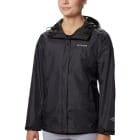
    A rain jacket is always a smart item to pack for any trip. This is also the case for Chile, as the country has a lot of variable climates and frequent rainfall. Finding a good-quality, durable, and long-lasting rain jacket like this will take you a long way. This one is also very lightweight, so it’s easy to pack tightly at the bottom of your daypack for excursions.

    View on Amazon.com

  • 6. Travel Insurance for Chile

    Travel Insurance for Chile

    When traveling internationally, it is always important to buy travel insurance to keep you protected in case of medical expenses, unexpected travel changes, cancellations, or emergencies. This can give you better peace of mind since nothing is predictable about traveling.

    Faye Travel Insurance is our preferred provider for the modern experience that really elevates insurance. They are 100% digital with claims handled easily through their app. We love the 24/7 customer support – they’ve even helped me book a last-minute telehealth appointment with a nearby provider when I had a small biking accident. It really took the stress out of being far from home or worrying about coverage. Some countries require insurance so you avoid paying out-of-pocket costs, regardless of the mandates, we find it essential.

    Get a quote in less than 60 seconds with Faye

  • 7. Neck Wallet

    Neck-Wallet

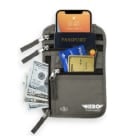
    When traveling to any large metropolitan area, carrying your money and valuables in a secure neck wallet is a game-changer. The capital city, Santiago, has the highest rate of petty theft and pickpocketing in the country, so it is important to be aware of belongings when walking around the city. The HERO neck wallet can be used to store your phone, cash, cards, passports, and keys, and worn under your shirt to make valuables invisible to pickpockets.

    View on Amazon.com

  • 8. Hiking Boots

    Hiking Boots

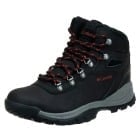
    If you don’t take advantage of Chile’s incredible hiking destinations when visiting, you will be missing out. Packing a pair of hiking boots is essential to traveling to Chile, as you never know when you might end up on an impromptu hiking trip. They are also just an overall great rugged shoe to pack, useful for long walks and uneven terrain.

    View on Amazon.com

  • 9. Hiking Poles

    Hiking Poles

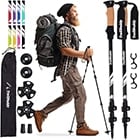
    When hiking in the cold on uneven terrain (at high altitudes, might I add!), these make a huge difference in reducing strain on your knees and joints. There are attachments for snow, mud, or rocks and these add a lot of stability on descents, but it’s still super lightweight for packing. I consider these a must for hiking trips to make the entire experience more enjoyable.

    View on Amazon.com

  • 10. Windproof Portable Umbrella

    Windproof Portable Umbrella

    There is nothing worse than getting travel plans ruined by the rain. In a country with such diverse climates as Chile, stashing an umbrella in your daypack for the day can make a huge difference when you get stuck in the rain. Many umbrellas are large and bulky and not travel-friendly, but this high-quality travel umbrella is small enough to pack into a purse or backpack, and still works just as well, while also being windproof.

    View on Amazon.com

  • 11. Water-Resistant Shoe Bag

    Water-Resistant Shoe Bag

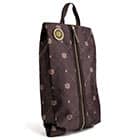
    Keep muddy hiking boots and wet sandals separate from clean clothes during your trip. These shoe bags are the perfect barrier in your luggage to stop nasty dirt, grime, moisture, or sand from wreaking havoc in your suitcase.

    View on Amazon.com

  • 12. eSIM Data Service (Avoid Roaming Fees!)

    saily

    I’ve gone without signal while traveling internationally and I highly DON’T recommend it! Losing access to maps, language translating apps, ride apps, bookings, it’s a stressful experience. Conversely, dealing with a physical SIM card is a hassle and roaming fees are absurd. But I’ve since discovered a way better option for maintaining my data while overseas.

    eSIM is the 100% digital version of a physical SIM card and way cheaper than going through your domestic provider. Choose the amount of data you want before you go and you’ll join the best networks in Chile (you can always add more data later). It’s the most seamless way we’ve found to stay online from the moment you land.

    Pick a data plan at Saily.com

  • 13. Waterproof Phone Pouch

    Waterproof Phone Pouch

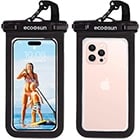
    Since Chile runs along the majority of the Pacific coast of South America, there is plenty of water and beach activities. Since traveling with your phone is essential nowadays, it is crucial to travel with appropriate protection to avoid damaging your phone and having to buy a new one. This waterproof phone pouch will keep your phone safe during water exposure, whether you are on a boat, at the beach, or walking through a city in the rain.

    View on Amazon.com

  • 14. Daypack

    Daypack

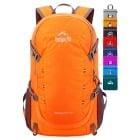
    A daypack is necessary for any traveler, but especially for Chile. With such an abundant array of activities to do in the country, from city sightseeing to hiking, a daypack will keep all your stuff with you comfortably. This daypack is made of tear and water-resistant nylon, can easily be compressed down to fit in your pocket or sit flat in your suitcase, and comes in a variety of colors and designs.

    View on Amazon.com

  • 15. Waterproof Backpack Cover

    rain cover for backpack

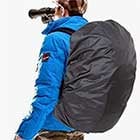
    A small but might accessory to stop moisture from ruining your daypack. This may be the unsung hero of your luggage, but weather can flip on a dime in Chile and this cover weighs virtually nothing. But it could save your phone, camera gear, snacks, and clothes from getting soaked.

    View on Amazon.com

  • 16. Packing Cubes

    packing cubes

    Having an organized suitcase can make or break the experience of traveling. Packing cubes can be revolutionary in packing for a trip, as they can better organize and separate your things into different compartments for faster finding. They are also great because they are quite compressible, and can take up less space in a suitcase than just freely packing clothing. These versatile packing cubes come in a wide assortment of sizes for any type of clothing, as well as laundry bags to store dirty clothes while traveling.

    View on Amazon.com

  • 17. Jet Lag Relief

    Jet Lag Relief

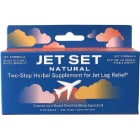
    The flight to Chile is no joke, typically 10-15 hours (more if you have multiple layovers), so you’ll want to come to the party prepared with these jet lag relief tablets. They use chamomile and gentle botanicals to calm your nervous system and help you feel more rested before landing. I’ve flown without them after being privy to their powers and will NOT be doing that again. The difference was noticeable.

    View on Amazon.com

  • 18. TSA-Approved Luggage Locks

    TSA-Approved Luggage Locks

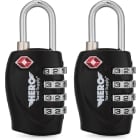
    We have 3 or 4 sets of these locks for our suitcases and a spare to use for city or hotel lockers. They come in super handy and ease our mind that no one will be rummaging through our things when they’re out of sight. Pick a 4 digit code that’s easy to remember, like your birth year, and it’s 10x more secure than a 3-digit lock.

    View on Amazon.com

  • 19. High-Quality Filtered Water Bottle

    High-Quality Filtered Water Bottle

    Although the tap water in all of Chile is potable, bringing a filtered bottle can add an extra layer of protection to make sure you don’t get sick from the water. It also comes in handy for any multi-day backpacking excursions in the national parks of Chile, as there are no running water sources. The bottle can be filled from any body of water and be ready to drink, free of sediment, viruses, harmful bacteria, pesticides, and microplastics.

    View on Amazon.com

  • 20. Hanging Toiletry Bag

    hanging toiletry bag

    If you are staying at hostels or hotels and traveling frequently, it can be a hassle to constantly be digging through your toiletries bag to find something buried at the bottom.

    This hanging bag makes traveling with toiletries way easier and more efficient, allowing you to hang it on any bathroom door and access your essential items fast.

    View on Amazon.com

  • 21. Tickets to Top Chile Attractions

    Tickets to Top Chile Attractions

    Chile has so much to offer – from having a picnic by the epic views of Cajon del Maipo, to exploring the UNESCO World Heritage Site of Valparaiso, 2 hours from Santiago, you won’t run out of bucketlist items to check off. Get Your Guide is our favorite platform for booking authentic tours in advance that ensure availability and flexible cancellation.

    Chile is about slowing down and soaking up the natural marvels. We can’t recommend the Baltinache Hidden Lagoons enough, and if you like that relaxing slower pace, you may also enjoy a wine tasting at a vineyard in the Maipo Valley or stargazing at the San Pedro de Atacama.

    See all Chile attractions at GetYourGuide.com

  • 22. Merino Wool Socks

    Merino Wool Socks

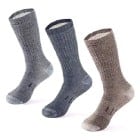
    Merino wool socks are a must-have for travel in Chile due to the country’s extreme differences in climate. Wool socks keep your feet warm when it is cold, and keep them dry and cool when it is hot through their wicking properties. It is a durable and long-lasting material, allowing you to only need to pack a few. Since wool is moisture-wicking and odor-resistant, a pair can stretch you for a longer period between washes, compared to a typical cotton sock.

    View on Amazon.com

  • 23. Hand & Foot Warmers

    Hand & Foot Warmers

    This is one of our secret weapons against any cold location we frequent. These hand and toe warmers slip into your jacket pockets, socks, or gloves to keep you insulated from within on a frigid day. It’s like a warm hug and so lush when you’re freezing in the Andes or stargazing in Patagonia.

    View on Amazon.com

  • 24. Luggage Straps

    Luggage Straps

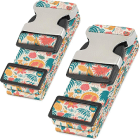
    Spot your luggage in a sea of scarily similar black bags at the airport while adding a much-needed layer of security. These adjust to fit most-sized bags, even your carry-on if it needs cinching in, and eliminate the risk of anything flying open mid-transit. This is more necessary than you think when you know about the beating those bags take from the carousels and handlers. We consider it cheap insurance on our things and the bold pattern is awesome for recognizing our set immediately.

    View on Amazon.com

  • 25. Packable "Just in Case" Bag

    Packable

    A foldable duffel will always come in clutch for any unexpected shopping or collectibles picked up along the way. It’s perfect for day trips or even your carry-on item for the flight home since it fits neatly under the seat in front of you or in the overhead compartment. You’ll never regret having one extra bag.

    View on Amazon.com

  • 26. First-Aid Kit

    First aid kit travel

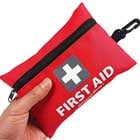
    Accidents can happen no matter where you are but are especially common while traveling. If you plan to travel solo, it is vital to pack your own first aid kit that has the basics to aid in any injury or sickness. If you don’t speak Spanish, it may be difficult to go to a pharmacy to ask for the medication or bandage you may be looking for, nor may they have the brands you are used to in your home country. By bringing a first aid kit with you wherever you go, you can travel with reassurance that you’ll be prepared for any mishap you may encounter.

    View on Amazon.com

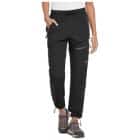
  • 27. Convertible Hiking Pants

    Hiking-Pants

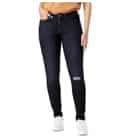
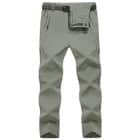
    Hiking pants allow you to switch from pants to shorts in seconds, making them a perfect multi-functional piece in your wardrobe that allows you to pack fewer options. This brand has a silver fiber lining that actually regulates your temperature so you don’t overheat or get too cold. They’re also quick-drying and, dare I say it, stylish. Here’s an option for men.

    View on Amazon.com

What to Wear in Chile

What to Wear in Chile The key to dressing in Chile is versatility and diversity. Because the country is so long and stretches along almost the entire length of South America, each region of the country will have a distinct climate. Santiago can get very hot, while Patagonia can get freezing cold. If you plan on traveling to different places in Chile, you need to pack for very different climates.

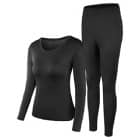
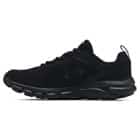
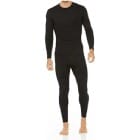
The best way to dress in Chile is to wear layers that can be easily removed or added depending on the weather pattern. Base layers and fleece with a good insulated jacket on top will go a long way in cold climates. Quick-dry or nylon-based clothing is a good choice for hot summer climates, as you don’t want to be soaked in sweat for the entire day. It is always smart to pack a rain jacket in your day pack, as rain can be very unpredictable in the country. A good pair of walking tennis shoes will also come in handy, as sandals may cause you blisters if you walk in them all day. Finally, don’t forget to always apply sunscreen when spending extended periods of time outside in the sun.

What Should WOMEN Wear in Chile? – (Click to expand)

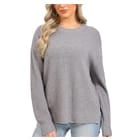
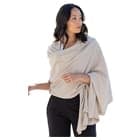
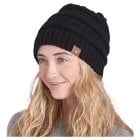
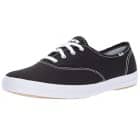
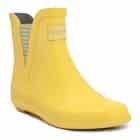
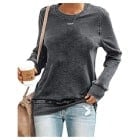
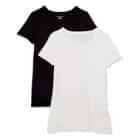
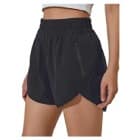
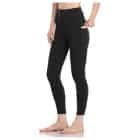
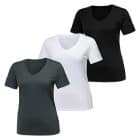
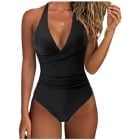
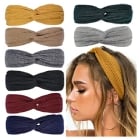
Below is a sample women’s clothing list. (All items link to Amazon.com for your convenience).

The culture in Latin American countries such as Chile in regards to dressing is quite conservative, so women should be wary of wearing super revealing or short-cut clothing when out. It is not uncommon to see people wearing jeans during blistering hot days in Santiago.

What Should MEN Wear in Chile? – (Click to expand)

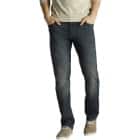
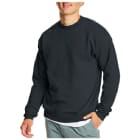
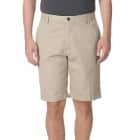
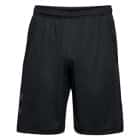
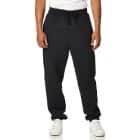
Below is a sample men’s clothing list. (All items link to Amazon.com for your convenience).

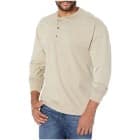
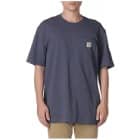
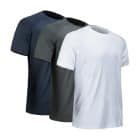
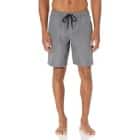
Men generally can dress quite casually in Chile, with an emphasis on layering. It is important to bring a variety of clothing so that it is easily customizable to weather conditions and temperature. Moisture-wicking or quick-dry clothing is essential, as it makes warmer weather and hiking more bearable.

Dressing for the Seasons

  • SPRING – September, October, November, December

    Dressing for the Seasons

    Spring in Chile is generally warm and pleasant. The season is characterized by a decrease in rainfall in the country, with highs ranging from 65-75℉. Although rain is lessening, it is still smart to pack rain gear and layer up for unexpected drops in temperature throughout the day. If traveling to the south of the country, be sure to pack cold weather essentials such as insulated jackets, gloves, and hats.

  • SUMMER – January, February, March

    Summer is generally the best season to travel to Chile, and a perfect temperature to visit Chile’s beaches - don’t forget to pack your bathing suit! Summer highs near Santiago usually average around 80℉. It is best to pack comfortable quick-dry clothing and sandals, as well as rain gear for occasional rain. If visiting the southern region of the country, it is strongly recommended to pack warm clothing such as coats and hats, as the average high can reach 72℉, but lows can drop as low as 32℉.

  • FALL – April, May, June

    FALL

    Fall is the peak wine tasting season in Chile, and a popular tourism season in the country. Fall is characterized by quite mild weather, with temperatures reaching highs of 65-75℉, with night temperatures dropping as low as 45℉. It is preferable to pack clothing that can withstand some cold spouts, such as jeans, leather jackets, cardigans, and long-sleeved shirts. If visiting Patagonia, layers for colder weather might be necessary, such as wool socks and gloves, as well as a windbreaker.

  • WINTER – July, August, September

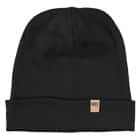
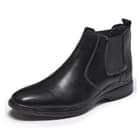
    down or alternative puffer jacket, wool layers, wool hat, gloves, scarf, boots
    Winter is the coldest season in Chile and is the most popular season for skiing. Daylight exposure also drastically decreases, with the southern region only averaging about 8-10 hours. It is best to be prepared for very cold temperatures if you are visiting Patagonia, as temperatures may drop to 32℉. Wearing winter layers and a quality insulated jacket is a must. In the north, you can dress a little lighter, as temperatures peak at about 70℉. Light layers and closed-toe shoes will keep you at the ideal temperature during colder days. Wearing sandals or flip-flops is also feasible, depending on your temperature tolerance.

Dressing Appropriately for the Activity – (Click to expand)

Walking around town:
For general exploring of Chile’s cities and towns, a combination of casual wear will suffice quite well. Be cognizant of the local dress norms, as they may be very different from your home country. It is not unusual for Chileans to wear long jeans when it is very hot outside. If in doubt, lean towards conservative wear to avoid excessive attention as a flashy tourist.

Hiking:
Hiking is a must-do when visiting Chile, so it is important to pack plenty of hiking-appropriate clothing. A good pair of quick-dry hiking pants and shirt as well as a good-quality of hiking shoes will take you a long way for any excursion you may plan on doing, as they can easily be washed and reused in little time. If traveling to Patagonia or Torres del Paine, even during the summer season, it is advisable to pack an insulated puffer jacket, as it can get pretty cold and windy.

Horseback riding:
Horseback riding is a popular pastime in the rural regions of Chile, especially in the South. If going on a horseback ride without rented clothing or gear, it is best to wear closed-toed shoes with no heels, comfortable pants, and a shirt that doesn’t restrict movement or get caught on anything.

Skiing:
Skiing in Chile is generally not as cold as in other skiing destinations in the world, so packing many layers of dense thermals or a ski mask is not necessary. Layering with a base, 2nd, 3rd, and outer layers made of synthetic fibers will keep you warm during the duration of the day. It is important to emphasize a water-resistant outer layer, as conditions are often wet and cold on the ski slopes. Ski-specific items such as goggles, gloves, boots, and a helmet can be left at home and rented at the ski outfitter to prevent extra clutter in your suitcase.

What NOT to Bring to Chile

  • 1. DON’T Bring Excessive Amounts of Cash

    Bringing more cash than you need is not a smart idea in whichever country you travel to, but especially in Chile. Although Chile is generally quite a safe country in comparison to the rest of Latin America, there is still a higher risk of theft if you come off as a clueless tourist. Always bring the minimum you may need, and organize with your bank before departing your country in the event that you need to take more out of an ATM. And under no circumstances should you leave your accommodation with a wallet full of more cash than you could ever need, it is a huge risk of theft or just losing the money.

  • 2. DON’T Bring Bulky Camping Gear

    For avid hikers and outdoorsy travelers, it may seem like a no-brainer to pack your own tent and camping gear to explore all the natural parks Chile has to offer. If you have brands or custom gear that you absolutely need, then it would be a good idea to bring it. But if you don’t really mind, it is probably a better idea to leave it at home and rent it when you arrive at the site. It can be quite cost-effective and will save you a giant amount of space in your luggage.

  • 3. DON’T Bring Clothes That Don’t Dry Fast

    If you are constantly on the move, backpacking, or just generally in a more humid area, it is likely that you will have wet clothes at any given time. Stuffing your wet shirt in your suitcase before moving to your next hostel will end up making it smell terrible and ruin the other clothes in your luggage. By packing mostly quick-drying clothes made of synthetic materials, they can dry in half the time and will end up smelling a lot less than non-quick-dry clothing items.

  • 4. DON’T Bring a Spanish Dictionary

    In today’s modern age, almost everyone has a smartphone. It is also pretty accessible nowadays to buy an eSIM service for the country you are visiting for quite cheap, which can offer you internet while traveling. Because of this, it’s best not to pack a physical Spanish dictionary, as you can find the word in Google Translate in half the time. Many translating apps also have the option to download languages, so having internet on your phone may not even be necessary. Carrying around a dictionary when trying to talk to locals can just make you look like a silly tourist.

What NOT to Wear in Chile – (Click to expand)

Expensive jewelry: As mentioned before, you want to try not to look like an obvious tourist when traveling, so this means leaving your precious and expensive jewelry at home. Not only does wearing expensive jewelry put you more at risk for theft, but you may be overcharged by street vendors, as they will assume you are wealthy. Also, it is natural to lose items during travel from moving from place to place, so it’s best not to bring valuable things if you are a forgetful person.

Uncomfortable or bulky shoes: There is a lot of sightseeing, walking, and hiking to do in Chile. Because of this, it is a good idea to make sure that every shoe you pack for your trip is comfortable for walking in for several hours at a time. There is nothing worse than packing a pair of ‘nice’ shoes to travel in and having to pack a backup pair in your backpack when they inevitably start to cause you blisters.

Fancy or uncomfortable clothing: Unless you are traveling on business or to attend a fancy occasion in Chile, there is really no need to pack more than one ‘fancy’ outfit or dress. Packing too much fancy or impractical clothing will become a damper when you actually need to travel to get from A to B and feel physically uncomfortable. It also will save you a huge headache and a lot of time by avoiding having to buy new clothes in a local store to replace the uncomfortable clothes you packed.

FAQs about Traveling to Chile

  • 1. What are the best places to visit in Chile?

    The capital city of Santiago, the cultural seaside city of Valparaiso, the quaint university city of Concepción, and the small Patagonian village of Puerto Natales.

  • 2. When is the best time of the year to travel to Chile?

    When is the best time of the year to travel to Chile?

    It depends on which region of the country you plan on visiting, and what you are interested in doing. If you plan to visit the Antarctic Patagonia region, it is best to go during the region’s summer, which is from December to February. For avid skiers, the best time to visit Chile is between June and August. Visiting Chile during grape harvest for wine is a must-see, as they host a multitude of wine harvest festivals during March and April.

  • 3. What are the best things to do in Santiago?

    Climb to the top of Cerro San Cristobal, take a free walking tour of downtown Santiago, visit the Museum of Memory and Human Rights, take a day trip to Valparaiso, and have a picnic in Parque Bicentenario.

  • 4. What is the culture like in Chile?

     What is the culture like in Chile?

    Chile is an extremely family-oriented country, and it is not unusual to see adults living with their parents in the house for a large percentage of their lives. Overall, Chileans are very friendly and open to tourists and are happy to share about their culture when asked. If traveling to Chile, be prepared to slow down more than you are used to in your home country, as it is very common for Latin American countries to take a relaxed approach to schedule and timeliness.

  • 5. Where are the best hiking spots in Chile?

    Torres del Paine National Park, Chocamó Valley, Atacama Desert, King Penguin Natural Preserve.

  • 6. What food should I try when I go to Chile?

    What food should I try when I go to Chile?

    Chile is an incredible culinary hub. You cannot leave Chile without trying their national dish, pastel de choclo, which is a corn pie baked over a layer of ground beef, chicken, raisins, black olives, onions, and hard-boiled egg slices. Additionally, there are tons of delicious street food to try, such as a completo, or Chilean hotdog filled to the brim with toppings, and an empanada, a fried turnover stuffed with beef or cheese.

  • 7. What language is spoken in Chile?

    The national language of Chile is Spanish, but English proficiency is generally very good, so you can get by without speaking Spanish in most places.

  • 8. How cold does it get in Chile?

    How cold does it get in Chile?

    Since Chile is a long country that stretches almost the entire length of South America, the temperatures vary based on location. In Santiago, the temperature can drop to 50-55° F in the winter, whereas in Patagonia it can easily drop below freezing. You also should take into account the different elevations. Chile is a mountainous country, so if you plan on spending time hiking at high elevations, it will be much colder than places at sea level.

  • 9. What is the currency of Chile?

    The currency of Chile is the Chilean peso (CLP). One US dollar ($1) currently equals about 840 Chilean pesos.

Pin
Share
WhatsApp
Email
Print