

what to bring to Tunisia

27 Top Tunisia Packing List Items for 2026 + What to Wear & NOT to Bring

By - Updated on

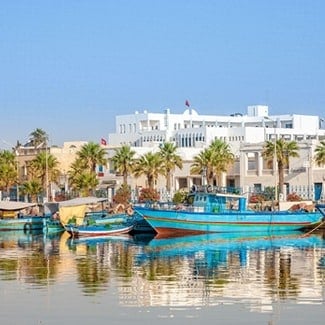
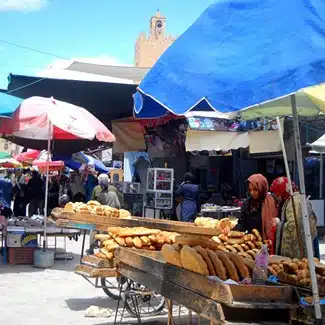
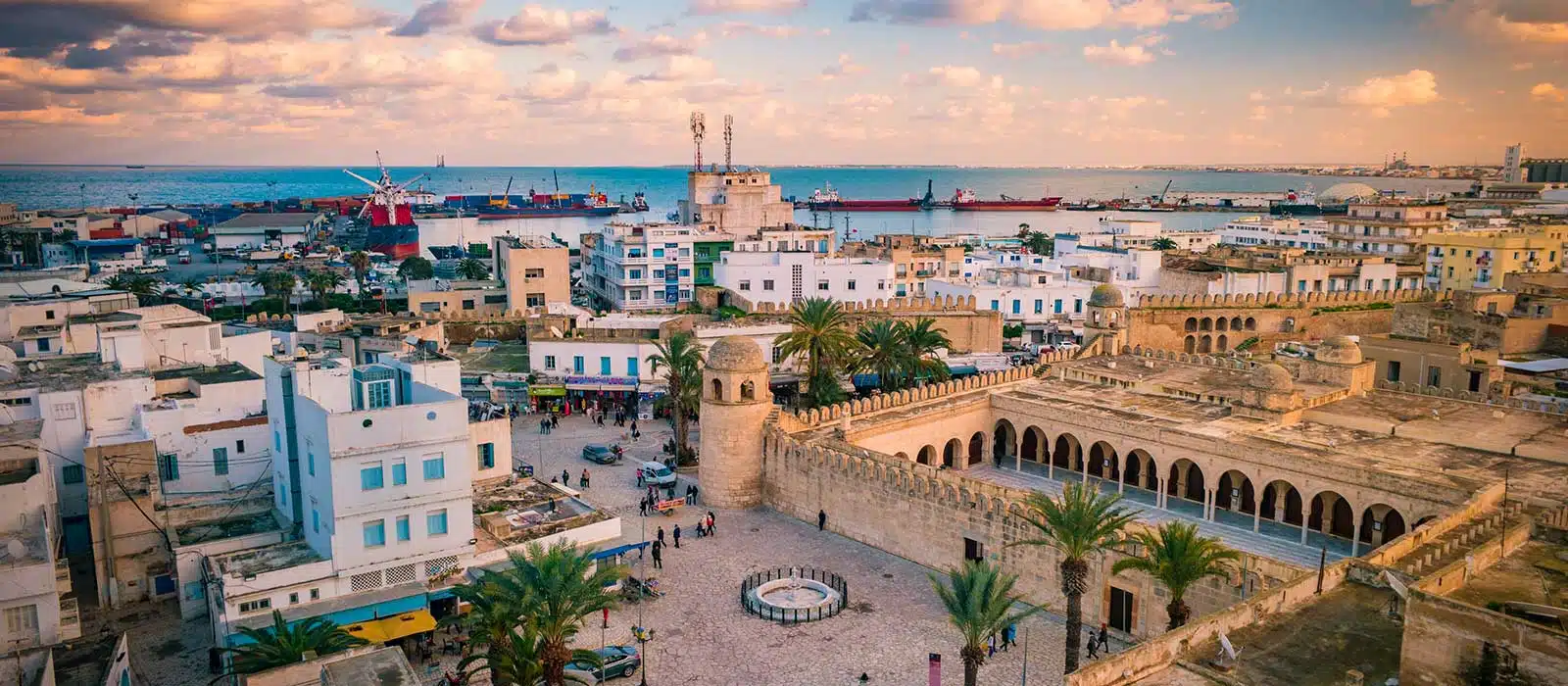
Tunisia is a beautiful country, full of rich history, and smaller than you might expect! It combines the best of Africa and the Mediterranean, and is home to archeological sites such as Carthage and famous mosques such as Kairouan. Whether you’re spending the night under the stars in the Sahara desert or relaxing at the beach, I’ve put together a list of all the things you’ll want to make sure not to forget, what to wear in each season, as well as a list of what NOT to bring.

27 Top Tunisia Packing List Items for 2026 + What to Wear & NOT to Bring
Table of contents
See our product selection criteria and guidelines here.

What to Pack for Tunisia - 27 Essentials

  • 1. Packing Cubes

    packing cubes

    When you’re traveling, packing cubes are essential to staying organized. Especially if you’re traveling from city to city, you’ll want to know exactly where things are and keep items wrinkle-free. In addition to rolling clothes, packing cubes make a huge difference. This set of five also includes two laundry bags and comes in a variety of colors.

    View on Amazon.com

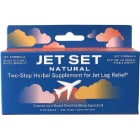
  • 2. Jet Lag Relief

    Jet Lag Relief

    A journey to Tunisia is no small feat, and I wouldn’t tackle it without these homeopathic jet lag relief supplements. They take the edge off without strong caffeine or stimulants and I’ve noticed the difference in traveling without them. It’s adoptogenic formula helps you reset quickly against major time changes and busy travel days.

    View on Amazon.com

  • 3. Virtual Private Network (VPN)

    how a vpn works

    Virtual Private Networks (VPNs) are a solid investment anytime you’re traveling. Whether you’re waiting at the airport, at a cafe, or needing to catch up on work from your hotel, having a VPN keeps your sensitive data secure. Additionally, you’ll sometimes find certain news sites or streaming options are blocked in different areas, so if you want the same access you have at home, a VPN is a must.

    View NordVPN.com Options

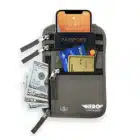
  • 4. Neck Wallet

    Neck Wallet

    Ever have that feeling of panic because you wonder if you have your passport, or your credit card, or your phone? A neck wallet not only keeps your valuables hidden and secure, but it’ll put your jet-lagged mind at ease when you’re just trying to keep track of the essentials.

    View on Amazon.com

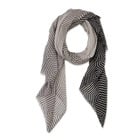
  • 5. Light Scarf

    Light Scarf

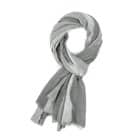
    While in Tunisia, you’ll find beautiful scarves at the local markets and shops. However, if you have a layover in a more conservative country or a long taxi ride to your hotel, it’s a good idea to pack a lightweight scarf. It can also double as a wrap for storing that beautiful mosaic you found.

    View on Amazon.com

  • 6. Travel Insurance for Africa

    Travel Insurance for Africa

    Your domestic provider does not cover you outside of the country in most cases and you want to be prepared for anything when you travel. A trip to Africa is a huge undertaking, and I wouldn’t do so without travel insurance. It’s a necessity to the point that many countries require it by law, and it is in your best interest against any travel delays, baggage loss, medical issues, or cancellations.

    We use Faye because their mobile app simplifies complicated insurance processes and gets you reimbursed quickly. There are real people there to help you 24/7, not a bot, and we’ve found them to be such a relief for our global travels.

    Get a quote in less than 60 seconds with Faye

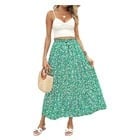
  • 7. Long Skirt

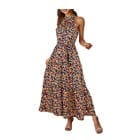
    Long Skirt

    A long, flowy skirt is a great staple for wherever you’re traveling, but it especially comes in handy in a hot climate and more conservative culture. And this one has pockets! Pair it with a t-shirt or your favorite tank top and lightweight cardigan (depending on the area you’re in, you’ll want to keep your shoulders covered).

    View on Amazon.com

  • 8. Quick-Dry Travel Towel

    travel towel

    While pretty much every hotel and host provides a bath towel, a good microfiber towel can be hard to find. And, a lot of places have policies about taking bath towels with you for the day! It’s a good idea to have a compact, quick dry towel that you can take with you at the beach or even as a soft layer in your backpack if you’ve got camera equipment you want to keep secure.

    View on Amazon.com

  • 9. Deodorant Wipes

    Deodorant Wipes

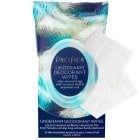
    These aluminum-free, travel-friendly deodorant wipes are perfect for long, hot days in the Tunisian desert. For those of us with sensitive skin, finding products that work and don’t irritate our skin can be a challenge, but these are great. Whether you’re hiking, sightseeing, or just have a long day ahead of you. These wipes are a great refresher.

    View on Amazon.com

  • 10. Waterproof Phone Pouch

    Waterproof Phone Pouch

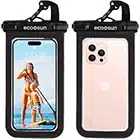
    Whether your concern is water or sand, a small dry bag for your phone is a must-have. This one also has room for cash and credit cards, so you can keep all of your valuables in one place. It also has a clear front and back so you can take photos underwater!

    View on Amazon.com

  • 11. Quick-dry Pants

    Quick-dry Pants

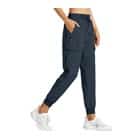
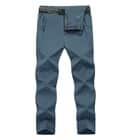
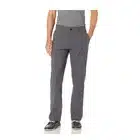
    Whether you’re trying to avoid excess sun exposure or making sure you’re not being culturally insensitive by exposing your knees or thighs, quick-dry pants are multi-purpose and always a comfortable and convenient option. These are lightweight jogger-style that will go with anything. (For international travel, I’d recommend avoiding camo print because of its associations with the US military)

    View on Amazon.com

  • 12. Chacos

    Chacos

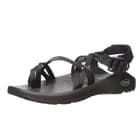
    When it comes to the hot, sandy Sahara, Chacos are my go-to. Getting sand or rocks in hiking boots or tennis shoes is inevitable and can really weigh you down. You’ll want to make sure to remember sunblock on your exposed feet! There’s nothing like connecting to nature in sturdy, reliable open-toed shoes.

    View on Amazon.com

  • 13. Water-Resistant Shoe Bags

    Water-Resistant Shoe Bags

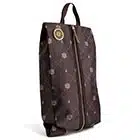
    Skip bringing the sand home with you – the desert needs to remain right where it is! We use these gorgeous shoe bags to consolidate the mess so we can shake out any sand or debris later (without bringing the muck into our fresh suitcase). This little bag has quickly become the MVP of my artillery and I can’t go back to mixing city grit with my clean clothes.

    View on Amazon.com

  • 14. Motion Sickness Patches

    Motion Sickness Patches

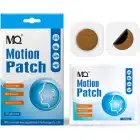
    These are low-effort insurance. I don’t usually get hit with motion sickness, but my wife usually does. Even someone with an iron stomach can turn green on occasion, so these are a safe preventative measure for any windy roads, desert drives, or ferry crossings. Simply stick the patch behind your ear and forget about it.

    View on Amazon.com

  • 15. Hanging Toiletry Bag

    hanging toiletry bag

    If you’ve never heard of a hanging toiletry bag, prepare to be delighted! Instead of juggling serums and moisturizer bottles on the edge of your sink, use this shelf-life system to get your items off the ground and visible at eye-level. Bathrooms in Africa are super hit-or-miss (sometimes it’s luxury, sometimes it’s a hole in the ground).

    Make the best of even small bathroom situations with this organizer – it has 7 pockets for all of your self-care items and makeup. You don’t want sanitary items on dusty surfaces anyway, so I’d consider this a must.

    View on Amazon.com

  • 16. High-Quality Filtered Water Bottle

    High-Quality Filtered Water Bottle

    Tourists are advised not to drink the local tap water and to stick with bottled water in order to prevent stomach upset. Even if you come across water that is safe, the water is heavily chlorinated and does not taste good.

    This Grayl water bottle is a non-negotiable for your trip to Africa. It’s a little pricey, but it’s an actual lifesaver against e. Coli, viruses, hepatitis A, and more. It also filters out sediment, chlorine, pesticides, and microplastics, so you can fill up anywhere without having major stress. I consider that kind of investment in my travels to be priceless.

    View on Amazon.com

  • 17. Tickets to Top Tunisia Attractions

    Tickets to Top Tunisia Attractions

    Tours fill up fast and you don’t want your itinerary to be barren and boring due to ill-planning.

    Get Your Guide has epic excursions with the stuff you actually want to do – explore the dunes of Douz, peruse the bustling souks of Djerba, and ride a camel into the sunset. We highly recommend witnessing the ancient city of Carthage, and another UNESCO World Heritage Site, El Jem. You’ll avoid last-minute haggling by booking now.

    See all Tunisia attractions at GetYourGuide.com

  • 18. Windproof Travel Umbrella

     Windproof Travel Umbrella

    Don’t forget this compact travel umbrella, especially during Tunisia’s rainy season, which is from December to March. Any other time of the year, travel umbrellas are handy in protecting from the sun, too! If you’re planning on riding camels in the Sahara or need some shade at the beach, make sure you have a one on hand.

    View on Amazon.com

  • 19. Tunisia eSIM Data Service (Avoid Roaming Fees!)

    saily

    You don’t want to struggle for a signal when you need to navigate in French or Arabic. Skip airport kiosks and fussing with a physical SIM card (and don’t even get me started on your domestic provider’s insane fees!) – the future is here, and it’s eSIM!

    Saily eSIM is the 100% digital way of staying online while traveling. Not only is it cheaper and easier to activate than the old-school methods, but its reliable service allows you to hop networks like you hop borders, without skipping a beat. After taking advantage of this hack for seamless data a few years ago, I haven’t looked back.

    Special gift: Use our link for an extra 5% off with code “ASHER5”.

    Pick a data plan at Saily.com

  • 20. Travel Backpack

    Travel Backpack

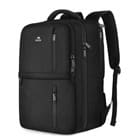
    While there will be times when you’ll want to explore with a handbag when you leave for the day, a travel backpack is perfect as a carry-on. With significant organizational options – including space for your laptop, a separate compartment for shoes, and a hidden anti-theft pocket – having a specific space for essentials saves you both time and energy.

    View on Amazon.com

  • 21. TSA-Approved Luggage Locks

    TSA-Approved Luggage Locks

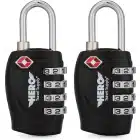
    Pickpocketing can happen anywhere, and we get real peace of mind from attaching these TSA-friendly luggage locks. Use them on checked bags or even backpacks at crowded attractions where theft can occur. You may leave your bags unattended many times between the flight over, ferry drop-offs, city lockers, etc., and this will allow you to enjoy the time fully without worry.

    View on Amazon.com

  • 22. Mosquito-Repellent Wristbands

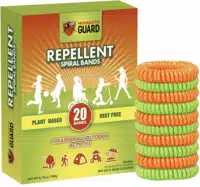
    Repellent

    Not to freak you out – but there are 43 breeds of mosquitoes in Tunisia. This isn’t a problem if you come prepared. We use these deet-free bands that are non-toxic and safe for children. Wear them on your wrists and ankles, particularly at dusk when these vampires really come out to play! Malaria was eliminated decades ago, but risk still exists of other viruses so be cautious.

    View on Amazon.com

  • 23. International Travel Adapter

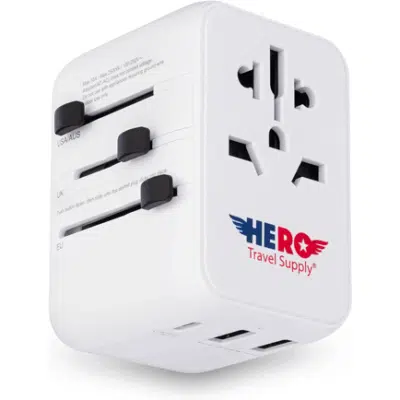
    International Travel Adapter

    If you’re traveling from North America, you’re going to need a universal travel adapter. It’s a good idea to have a few of them, especially if you have a lot of gadgets with you. Whether you want to keep one in your backpack or one in your suitcase, you’ll ensure you don’t end up somewhere without one. This one works in 100+ countries and pays for itself with a lifetime replacement guarantee.

    View on Amazon.com

  • 24. Cooling Towel

    cooling towel

    Especially if you’re traveling to Tunisia during the summer, know that it will get hot, and having a cooling towel on hand makes all the difference. Whether you’re spending the day at Hammamet beach or hoping to get some morning yoga in, these compact, microfiber towels will be invaluable.

    View on Amazon.com

  • 25. Breathable Hat

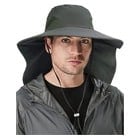
    Breathable Hat

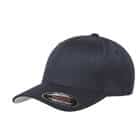
    If you’re going to be out in the sun, you’ll want to make sure you have a breathable hat that includes significant UV protection. This one is moisture-wicking, has breathable mesh, comes in a variety of colors, and is adjustable in size, making it a great option for all genders.

    View on Amazon.com

  • 26. Portable Charger

    Portable Charger

    Any other travelers have a horror story of navigating the city only to realize your phone battery is quickly dwindling? Keeping a lipstick-sized charger on hand isn’t just a matter of convenience. It can also become a matter of safety if you’re in an unfamiliar area. While there’s always someone willing to help out a traveler, it’s a good idea to be prepared and save the questions for finding the best restaurant or cafe.

    View on Amazon.com

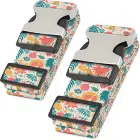
  • 27. Luggage Straps

    Luggage Straps

    These make your cases instantly identifiable which is a game-changer on a busy travel day. These reinforce your zippers for 700+ lbs of force tension (which you may need with the way baggage handlers are acting these days!) and prevent any suitcase explosions. I’ve even used these to tether bags together in crowded places for easy maneuvering, theyre adjustable belts so you can get creative with anything from a makeshift handle to a carry-on cincher.

    View on Amazon.com

What to Wear in Tunisia

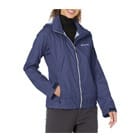
What to Wear in TunisiaGiven Tunisia’s warm, Mediterranean climate, you’ll want to wear breathable, quick-dry clothing. Both men and women should pay attention to the slightly more modest norms, and generally avoid exposing their chest, shoulders, or knees. This will vary some depending on the area and activity.
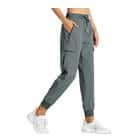
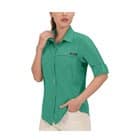
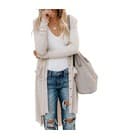
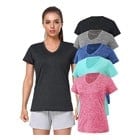
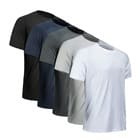
As a general rule of thumb, think about the clothing that you feel most comfortable in on hot summer days, and adapt that as needed (quick-dry pants instead of shorts, a breathable short-sleeve tee over a tank top).

What Should Women Wear in Tunisia?- (Click to expand)

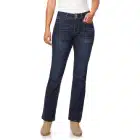
Below is a sample men’s clothing list.(All items link to Amazon.com for your convenience).

Since Tunisia is warm most of the year, it’s a good idea to bring breathable, quick-dry clothing. While it varies some by city and generation, women in Tunisia dress more conservatively. If you’re a woman traveling in Tunisia, it’s a good idea to have a lightweight, loose cardigan and scarf in your purse or backpack that you can easily layer.

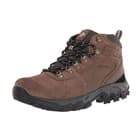
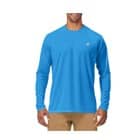
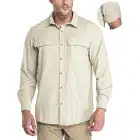
If you’re trekking in the Sahara, you’ll want to make sure you have a hat that also covers your neck, a long-sleeve button-down with UV protection, and either Chacos or a good pair of hiking boots.

If you’re sightseeing in Carthage, make sure to opt for long pants or a long, flowy skirt and wear comfortable shoes. Generally, you’ll want to avoid sleeveless tops. If you’re visiting a mosque, you’ll want to keep that scarf on hand to cover your hair and make sure both your arms and legs are covered.


What Should Men Wear in Tunisia?- (Click to expand)

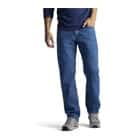
Below is a sample men’s clothing list.(All items link to Amazon.com for your convenience).

Since Tunisia is warm most of the year, it’s a good idea to opt for breezy, quick-dry clothing where possible. Culturally, it’s less common for men to wear tank tops or shorts, although, like most places, there is some generational variation. It’s a good idea to pack for warm weather while focusing on breathable, quick-dry layers.

If you’re planning a trek in the Sahara, make sure you have a hat that also covers your neck, a long-sleeve button-down with UV protection, and either Chacos or a good pair of hiking boots.

If you’re out shopping or sightseeing in Monastir, you’ll want to wear long pants and a lightweight, casual button-down. While men don’t have to worry as much about dressing conservatively if you’re visiting a castle or a mosque, you’ll want to make sure you have your legs covered out of respect and maybe stay away from the graphic tees.

Packing for the Seasons in Tunisia

  • Winter/Rainy Season — December, January, February, March

    — December, January, February, March

    Winter in Tunisia gets down to the 40s, so you’ll want to make sure and pack a jacket, as well as a raincoat. Rainfall depends on the area of Tunisia you’re in (less in the south, as it's desert), so look up temperatures based on the area(s) you’ll be in, and pack accordingly. Don't necessarily assume that since it's near the Sahara desert Tunisia is always hot. Winters get quite cold so it's important to bring warm layers. Temperatures range from 32 degrees to 65 degrees Fahrenheit during the winter months.

  • Spring — April, May

    Spring in Tunisia is lovely, although keep in mind that temperatures are already heating up. Bring lightweight, loose-fitting clothing. Temperatures start to warm up and range between 55 degrees and 85 degrees Fahrenheit. Spring is a great time as it's not uncomfortably hot and the summer crowds have yet to arrive.

  • Summer — June, July, August

    — June, July, August

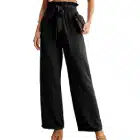
    Summer in Tunisia is hot, with temperatures nearing 100 degrees Fahrenheit. Both men and women will still want to make sure to dress more modestly while staying cool. Wearing long flowy pants and a tunic is a great way to dress culturally appropriate while staying cool. If you're interested in visiting Tunisia for a beach vacation, then the summertime is perfect for lounging by the pool and refreshing in the Mediterranean to stay cool. Temperatures range from 75 degrees to 100 degrees Fahrenheit.

  • Fall — September, October, November

    Fall is a lovely time to visit Tunisia as the temperatures have cooled to the 70s and 60s. You might want to pack a couple more cardigans and a light jacket for cool evenings, especially if you’re spending time in the Sahara.

Dressing appropriately for the activity– (Click to expand)

Sightseeing: If you’re sightseeing in the capital, casual jeans and a top work for most of the year. If you’re in a more rural area, women might want to layer with a long cardigan and/or wear a long skirt. As always, pay attention to what women and men around you are wearing and take your cue from them. If you’re visiting a mosque, both men and women should make sure their arms and legs are covered and women should bring a scarf with them to cover their head out of respect.

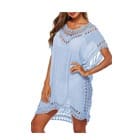
Beach Days: If you’re headed to the beach, you’ll likely see beachgoers in a variety of swim apparel. You’ll see some women wearing bikinis and some women wearing burkinis. Pack the swimsuit(s) you feel most comfortable in, and don’t forget a cover-up and your quick-dry travel towel.

What NOT to Bring to Tunisia

  • 1. DON'T Pack Lots of Books

    Even if you’ve carved out time for your beachside reading, books are heavy and there’s always the chance they can get damaged during travel. While one or two books is nice for international travel, you’ll really notice the weight once you’ve finished the book and are lugging it around the country. Opt for a Kindle if you can.

  • 2. DON’T Bring Lots of Cash

    There are ATMs all around Tunisia, so there’s no need to bring a lot of cash. You’ll want to exchange currency, anyway.

  • 3. DON’T Pack Too Much Stuff

    Overpacking is easy to do, but it can really weigh you down. Try to pack shirts and pants that can easily match a variety of outfits.

  • 4. DON’T Pack Full-Size Toiletries

    Full-size liquids are just another complicated thing to keep up with every time you fly, and there’s always the chance of a spill. Opt for TSA-approved containers wherever possible.

  • 5. DON’T Pack White Clothing

    The desert is unsurprisingly windy and sandy. While you might be ok wearing white in some settings, it’s simpler to bring a light gray or light blue top instead.

  • 6. DON’T Pack Unnecessary Valuables

    Remember, anything that you take with you while traveling is at risk of getting lost along the way. Try to limit the valuables you bring to ones you’ll often use (such as a camera or wireless headphones).

What NOT to Wear in Tunisia – (Click to expand)

Since Tunisia has a Mediterranean climate, you can leave your bulky coats and layers at home. If you do happen to be traveling during the winter (when it gets down to the 40s), a light jacket will suffice. And since the culture is generally more conservative, you can leave your short shorts at home. Although, the dress will depend on the person and city and setting you’re in, so feel free to ask your host or travel guide about what to wear and what not to wear.

FAQs about Traveling to Tunisia

  • 1. Is it safe to travel to Tunisia as a woman?

    Is it safe to travel to Tunisia as a woman?

    Tunisia is known to be more liberal and has more women in governmental positions. Like anywhere, you’ll notice women that dress more traditionally and Tunisian women who have a more European style of dress. While there is a more relaxed environment, especially in major cities, it’s a good idea to travel in groups and follow the cues of local women. Like anywhere, harassment happens, and it’s a good idea to avoid walking around alone at night. You can always carry a light scarf or a long, lightweight cardigan with you to blend in, depending on the setting.
  • 2. What languages are spoken in Tunisia?

    There are three languages spoken in Tunisia: Deja (Tunisian dialect of Arabic), Arabic, and French. Additionally, a lot of Tunisians, especially in the capital of Tunis, speak some English.

  • 3. What archeological sites are there in Tunisia?

    What archeological sites are there in Tunisia?

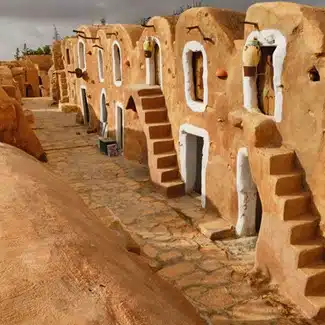
    I’d recommend checking out the UNESCO World Heritage List for Tunisia. But among the array of beautiful sites are the Amphitheater of El Jem, Carthage, Kairouan, the Medina of Sousse, and the Medina of Tunis.

    The Amphitheater contains the impressive ruins of the largest colosseum in North Africa, dating to the 3rd Century Rome. Carthage is an extensive archaeological site containing remnants of several cultures (Phoenician-Punic, Roman, Paleochristian, and Arab). Kairouan is one of the holiest cities for Muslims in Tunisia. Anyone you talk to will know of The Great Mosque, rebuilt in the 9th century. Medina means “city” in Arabic. Both Sousse and Tunis have great historical significance and are worth spending time in. You might recognize the large, intricate doorways if you’ve also traveled to Morocco.

  • 4. I’ve heard about the “Arab Spring” but don’t know anything about it. Where did it start, and how does Tunisia tie in?

    The “Jasmine Revolution” or Tunisian Revolution was a protest against corruption, poverty, and political repression that took place from Dec 17, 2010 to January 14, 2011 and sparked other protests in the Middle East and North Africa that became known as the “Arab Spring”. You can read more about it here.

  • 5. What are the top things to do in Tunisia?

    What are the top things to do in Tunisia?

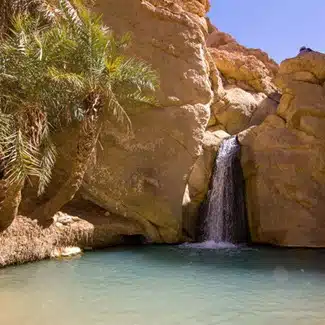
    There are so many incredible things to do in Tunisia! Whether you’re a Star Wars fan wanting to check out the original locations, visit archaeological sites such as Carthage, or are looking forward to taking a Camel Tour across the Sahara Desert and camping under the stars, Tunisia is a small country with a lot of beauty.

  • 6. Do I need a visa to travel to Tunisia? What vaccinations do I need?

    For US passport holders, no visa is needed for up to 90 days of travel. Make sure you’re up to date on vaccinations–check out the current CDC guidelines for Tunisia and the U.S. Department of State’s travel advisory. Currently, travel along the border with Libya is not recommended.

  • 7. When’s the best time of year to travel to Tunisia?

    When’s the best time of year to travel to Tunisia?

    While it depends on the kind of weather you enjoy and the timing of your travel plans, if you can go in the spring or fall, the weather will be moderate. If you’re planning a beach vacation, Tunisia is hot and dry in the summer. Plan for heat up to the 90s in the summer and down to the 40s in the winter.

  • 8. I’m traveling to Tunisia during Ramadan and/or Eid al-Adha. What should I expect?

    Ramadan and Eid al-Adha are the two most important holidays in Islam. Because Islam is based on a lunar calendar, the dates change each year. If you’re in Tunisia during Ramadan, people around you will be fasting from both food and water from sunrise to sunset. If you have the chance, it’s really meaningful to fast in solidarity if you are staying with a host family or making friends. And iftars, or the breaking of the fast each evening, are a beautiful communal gathering. Ramadan, the month of fasting, ends with Eid al-Fitr.

    Eid al-Adha honors the willingness of Ibrahim (you might know him as Abraham) to sacrifice his son, so observance usually includes a sacrifice of a goat or sheep and Eid prayers. Many Muslims fast the day before Eid al-Adha, and it’s considered the most sacred day of fasting.

    Especially during Ramadan, try to be sensitive to those observing and don’t drink water, eat food, or smoke in public. Know that a lot of (if not all) restaurants will be closed during the day, so try to plan ahead. 99% of Tunisians identify as Muslim, so the majority of the people around you will be fasting. Local tour guides are always available to assist in how to be culturally sensitive as well.

Pin
Share
WhatsApp
Email
Print