

what to pack for Tahiti

27 Top Tahiti Packing List Items for 2026 + What to Wear & NOT to Bring

By - Updated on

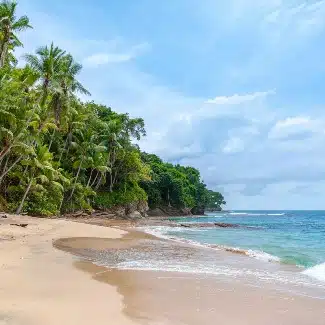
There is no island that is more synonymous with the word “paradise” than Tahiti. Ever since the first sailors set foot on Tahiti’s black sand beaches, the island has been known around the world as a modern-day Garden of Eden. From the offshore reefs to the top of Mount Orohena, Tahiti has more than enough beauty to delight the senses of any traveler who is lucky enough to visit.

If you want to experience Tahiti’s wonders for yourself, you’ll want to make sure to be prepared with all the right clothing and gear. This article will cover everything you’ll need to know to plan a safe and fun adventure to one of the best islands in the world. Below is a packing list of essential items to bring to Tahiti, plus info on what to wear in Tahiti and what NOT to bring.

27 Top Tahiti Packing List Items for 2026 + What to Wear & NOT to Bring
Table of contents
See our product selection criteria and guidelines here.

What to Pack for Tahiti - 27 Essentials

  • 1. Neck Wallet

    Neck Wallet

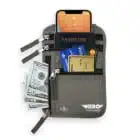
    I take this neck wallet with me on all international trips. It’s the perfect place to keep all of your most important valuables, like your passport, cash, credit cards, and keys - all together and safe from any potential pickpockets or thieves. Tahiti is generally considered a safe destination, but it’s always best to err on the safe side.

    View on Amazon.com

  • 2. Mask and Snorkel

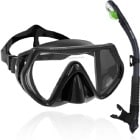
    Mask and Snorkel

    Tahiti is full of incredible beauty both above and below the water level. In order to appreciate the abundant marine life under the waves, you’ll want to bring along a mask and snorkel. Rentals often don’t fit properly and seep water or fog up. This set is affordably priced and durable enough to survive many years of use. With this mask and snorkel, you might find yourself spending more time under the water than above it!

    View on Amazon.com

  • 3. Virtual Private Network (VPN)

    how a vpn works

    I find it smart to have a VPN to use on any trip, especially to foreign countries. In case you aren't familiar with using a VPN service, this allows you to change the location data on your phone or computer. I use it to log into my bank accounts as a user in the "USA" when access is blocked from another country. Their service is also great for safe, untraceable internet browsing, helps with password protection, and shields you from ads, tracking, and malware. Not to mention, it minimizes regional censorship so you can surf the web freely with nearly infinite server options.

    View NordVPN.com Options

  • 4. Packing Cubes

    packing cubes

    Traveling with extra baggage is extremely expensive these days, so it’s best to find ways to fit your gear in as small a space as possible. I would never be able to fit my clothes into one pack if it weren’t for my packing cubes. They come in a set of 5 different sizes for all of your clothes, plus the set includes two large laundry bags for free (perfect for storing your dirty laundry).

    View on Amazon.com

  • 5. Hammock

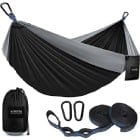
    Hammock

    No trip to French Polynesia would be complete without a night spent lounging under the stars in a hammock. This camping hammock is perfect for travel since it’s strong and light, and it packs away into a small bag. It comes with straps that are just right for setting up between two palm trees on your own private South Seas beach.

    View on Amazon.com

  • 6. Travel Insurance for Tahiti

    Travel Insurance for Tahiti

    It’s wise to get travel insurance for any vacation, but especially for international adventures like a trip to Tahiti. Faye Travel Insurance will take care of any unplanned emergencies that could happen along the way - like a missed flight, lost baggage, or a medical emergency. And paying out of pocket for a simple incident in a foreign country can get painfully expensive.

    We recommend Faye because their mobile app allows you to handle medical questions, claims, reimbursements, and even manage flight updates – all in one place. It’s a modern service for a modern traveler, and we never risk traveling without them in our corner.

    Get a quote in less than 60 seconds with Faye

  • 7. Quick-Dry Travel Towel

    travel towel

    Chances are, in Tahiti you’ll find an excuse to swim almost every day of your vacation. When you get out of the water, you’ll want to have a quick-dry towel on hand to dry off. This towel was designed with international travel in mind, which is why it packs away to such a small size and dries off far faster than a regular towel.

    View on Amazon.com

  • 8. Filtered Water Bottle

    Filtered Water Bottle

    Tahiti has dozens of rivers and streams, but you can’t drink directly from any of them without risking catching a disease. I kept safe on my last trip to Tahiti by using a filtered water bottle, which has its own filter to remove dirt and bacteria. This was a lifesaver on my hikes through Tahiti’s interior, where I couldn’t buy bottled water. It’s a little pricey, but so is a trip to the hospital for e. Coli, and you can use it for all future trips.

    View on Amazon.com

  • 9. Windproof Travel Umbrella

    Windproof Travel Umbrella

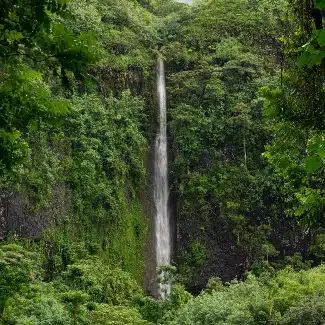
    Tahiti is an island of extremes, and that goes for the weather too. The tropical sun can be quite strong, and even when it isn’t shining, sudden squalls can bring intense rains. Come prepared for rain and shine with a travel umbrella, which works just as well for a day on the beach as it does for a hike to one of the island’s many waterfalls.

    View on Amazon.com

  • 10. Portable Charger

    Portable Charger

    On Tahiti, everything moves on island time, and it’s all too easy to see the day slip away in what seems like minutes. To prevent getting caught out with a dead cell phone battery, you’ll want to keep one or two of these portable chargers in your pocket at all times. They are small enough that you’ll forget they are even there - until you need them.

    View on Amazon.com

  • 11. Tahiti eSIM Data Service (Avoid Roaming Fees!)

    saily

    I learned the hard way that your domestic provider will relish in overcharging you. Staying online from the moment you land is a must since you’ll rely on the internet for ferry schedules, maps, coordinating excursions, translating things, and more.

    eSIM is the wave of the future – instead of standing in long lines at the airport for a physical SIM card, eSIM is completely digital and can be activated before you depart.

    Saily is our favorite since they operate in 200+ destinations so you can hop between the best networks in the world. Use our link for an automatic 5% off your next trip!

    Pick a data plan at Saily.com

  • 12. Luggage Locks

    luggage locks

    Luggage locks are essential for keeping your belongings safe when traveling. Especially if you plan on checking your bags, a TSA-approved luggage lock will ensure airport officials can access your bags and will keep them safe from thieves with the four-digit combination lock.

    View on Amazon.com

  • 13. Packable “Just in Case” Bag

    Packable “Just in Case” Bag

    Tahiti has a way of making you collect things – pareos, local art, black pearl jewelry, fresh vanilla, monoi oil, and more. This bag scrunches down to take up minimal space in your luggage but becomes incredibly useful by the end of your trip. It counts as your personal item so you can forgo those pesky carry-on fees, you’ll be thankful to have it.

    View on Amazon.com

  • 14. Hiking Poles

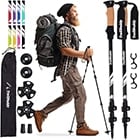
    Hiking Poles

    Outside of the overwater bungalows and beach activities, the hiking here is incredible. But the trails are steep and muddy, so these hiking poles will be invaluable for the slippery terrain (particularly after the ain). Your legs will thank you, particularly on the descent.

    View on Amazon.com

  • 15. Cooling Towel

    cooling towel

    For an island with as many beaches and waterfalls as Tahiti, you’re going to want to bring more than one towel. It’s made with soft microfiber that feels great on your skin. As soon as you get it wet, it cools down to 10-20 degrees below the air temperature. It's extremely refreshing on hot beach days.

    View on Amazon.com

  • 16. Universal Waterproof Phone Pouch

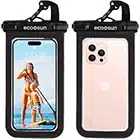
    Waterproof Phone Pouch

    Believe it or not, a smartphone can be useful even while on vacation in Tahiti. In moderation, of course. Last time I was in Tahiti, I used my smartphone for all my navigation, even on the boat, and of course we took hundreds of pictures of the beautiful landscapes. Protect your phone from water damage by keeping it in this handy waterproof case whenever you are near the water.

    View on Amazon.com

  • 17. Floating Wrist Strap

    Floating Wrist Strap

    No trip to Tahiti would be complete without a ride over the water to one of the islets on the reef. Protect your most important items with this floating wrist strap. With this strap on your handheld items, if you drop something in the water you can easily scoop it back up. No more keys and cameras lost to the deep.

    View on Amazon.com

  • 18. Water Shoes

    Water Shoes

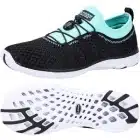
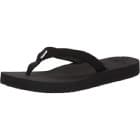
    I bring these for any destination with water. You never know what rocky beaches you’ll encounter, slippery docks, or even broken coral in the sand. These have traction and are quick-drying so you can move between land and sea with ease.

    View on Amazon.com

  • 19. Water-Resistant Shoe Bags

    Water-Resistant Shoe Bags

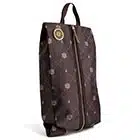
    Dumping sand and wet sandals in your clean suitcase? No thank you! These shoe bags have actually changed my life. The water-resistant material keeps moisture, sand, dirt, and city grime contained, so the elements don’t rub against your clean suitcase and clothes. You will really appreciate having them between island transfers and flights. In a pinch, I’ve even thrown a damp swimsuit in here after an excursion day.

    View on Amazon.com

  • 20. Hanging Toiletry Bag

    hanging toiletry bag

    I bought this hanging toiletry bag just before my last trip to Tahiti, and I found it just right for a two-week trip.

    The plastic zippered compartments are perfect for traveling in case of any sunscreen explosions during transit.

    And the bag has just enough space for all of your personal toiletries, and with the handy hook, you can easily hang it up anywhere – from an airport bathroom to a mango tree by the beach.

    View on Amazon.com

  • 21. Motion Sickness Relief

    Motion Sickness Relief

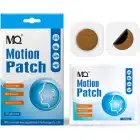
    Even if you have an iron stomach, those choppy waves between Papeete and Moorea can take you out. I bring these motion sickness relief patches that stick behind your ear or on your naval for immediate relief. My wife suffers badly from motion sickness and finds these to be the most effective option she’s tried, for bouncy days at sea or windy roadtrips along the coast.

    View on Amazon.com

  • 22. Tickets to Top Tahiti Attractions

    Tickets to Top Tahiti Attractions

    Tahiti has so much to offer – we thoroughly enjoyed snorkeling through the Moorea Lagoon and spotting wild sea turtles and rays. My kids talked about it for weeks!

    And if you want something more low-key and passive, you can indulge in a waterfall tour, ride a catamaran through Tetiaroa Island, go whale watching off the Peninsula, or treat your taste buds to a Polynesian street food tour. For all these experiences and more, Get Your Guide offers the most affordable and authentic excursions your heart could dream of. Book early because tours do fill up.

    See all Tahiti attractions at GetYourGuide.com

  • 23. Beach Blanket

    Beach Blanket

    You’ll need this, not only for the beach, but for impromptu picnics to watch the sunset, when you find the perfect lagoon and want to perch up for a few hours, or even for ferry rides. Simply shake the sand off before folding up and it also dries way faster than bulky towels in the island humidity.

    View on Amazon.com

  • 24. Packable Daypack

    Packable Daypack

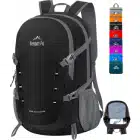
    Tahiti is the perfect island for adventures: hikes to a waterfall, fishing excursions out on the reef, sailing passages to a secret harbor, the list goes on. For day trips, I like to bring a small packable daypack. This one is big enough to hold everything you’ll need for an all-day adventure but packs down to take up almost zero space in your baggage. Much better than bringing an extra full-size backpack on the plane.

    View on Amazon.com

  • 25. Luggage Straps

    Luggage Straps

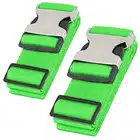
    Are you tired of seeing every identical black bag to yours at the arrivals terminal? And picking them up only to realize it’s not yours? Ya, we were too, so we invested in these adjustable luggage belts that fit on nearly any bag.
    You will immediately spot your belongings from afar and get out of the airport and onto adventure. They can withstand 700+ lbs of force tension, which means they can handle a brutal toss by the baggage handlers or conveyor belts. Between all the ferry retrieval spots, storage rooms, and drop-offs you’ll encounter, we find them to be a must for security and easy identification.

    View on Amazon.com

  • 26. Lightweight Rain Jacket

    Lightweight Rain Jacket

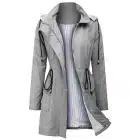
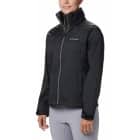
    Heavy showers come and go like clouds in Tahiti, so a rain jacket is absolutely necessary. Showers will pop up quickly and also disappear, leaving gorgeous rainbows to enjoy – this is particularly true during the wet season from November to April. My wife likes this one since it’s stylish and cinches at the waist instead of being super boxy like most raincoats.

    View on Amazon.com

  • 27. Jet Lag Relief

    Jet Lag Relief

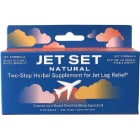
    From the West Coast, you can reach Tahiti in about an 8-10 hour travel day, but from the U.S.’s East Coast, it can take closer to 20 hours. Along with the time changes, you will want to come prepared with some jet lag relief. We love these because they don’t use caffeine or stimulants like some brands, but rather, gentle botanicals to help your body acclimate and feel rested upon landing rather than totally dragging your feet (which is not how you want to start your time in paradise).

    View on Amazon.com

What to Wear in Tahiti

What to Wear in TahitiLike most tropical Polynesian islands, Tahiti is a land of extremes. Much of the time you’ll want to dress for the heat, but you’ll always want to be prepared to deal with an afternoon rain squall, too. Of course, you’ll probably wear a different outfit for a day at the beach than you would for a dinner date in Papeete. In the following sections, we will cover what to wear in Tahiti, for women, men, and for different activities and times of year.

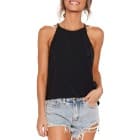

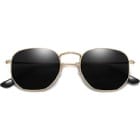
In French Polynesia, you’ll always want to start off by putting on a layer of sunscreen to protect your skin from the tropical sun. You’ll also want to keep your shades and a wide-brimmed hat handy at all times. If you are prepping for a day of outdoor activities, shorts and a t-shirt or tank top are usually fine, but remember to keep a sweater and rain jacket in your bag in case the weather changes. If you plan to go out to eat at a nice restaurant or anticipate dealing with the authorities, it’s a good idea to wear formal clothing.

What WOMEN Should Wear in Tahiti? – (Click to expand)

Below is a sample women’s clothing list. (All items link to Amazon.com for your convenience).

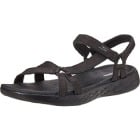
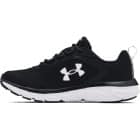
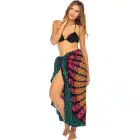
Women in Tahiti should dress for a tropical vacation - because that’s why you are here! You can pack a selection of warm weather dresses, or try a traditional Tahitian pareo, a type of skirt. For the beach, a swimsuit and flip flops should suffice, but don’t forget to be liberal with your sun protection. If you are hiking around the island, hiking shorts or pants should work fine along with an activewear shirt and walking shoes. If the weather looks like rain, throw on a rain jacket.

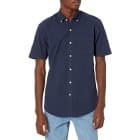
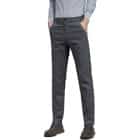
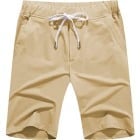
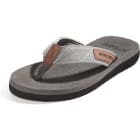
What MEN Should Wear in Tahiti? – (Click to expand)

Below is a sample men’s clothing list. (All items link to Amazon.com for your convenience).

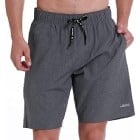
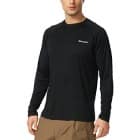
Polynesia was designed for fun, and you should dress for it! My last time in Tahiti, I wore shorts or a swimsuit every day, except for when I cleared in with customs or when I joined friends for a formal dinner. I did sometimes cover up with a long sleeve shirt and hiking pants when the sun or bugs got particularly bad. Just like the ladies, don’t forget to use sunscreen every day and wear a sunhat and glasses when necessary.

Packing for the Seasons in Tahiti

  • DRY SEASON — April, May, June, July, August, September, October

    dry season tahiti

    There are only two seasons in Tahiti, the dry season and the wet season. The dry season, which lasts between April and October, is the high season in French Polynesia, when most foreigners visit. This time of year, temperatures are warm, with less rainfall, although it can rain any month of the year.

    In the dry season, the sun is especially powerful, so you’ll want to keep your sunscreen, hat, glasses and umbrella nearby at all times. Wear clothes that will keep you cool even while staying active with temperatures in the 70s, 80s, and above. In the dry season, you can expect daily highs in the low 80s and lows in the high 60s or low 70s. Sometimes it can be cool when there’s wind chill, so keep a jacket handy in case you get cold.

  • WET SEASON — November, December, January, February, March

    — November, December, January, February, March

    The wet season in Tahiti is for adventurous travelers. Even though the chance of encountering a cyclone is slim in Tahiti, the possibility of a tropical storm and the frequent downpours keep most travelers away this time of year.

    Even though it’s much wetter between November and March, it can still get quite hot, with an average high temp of 84 fahrenheit in March. You’ll want to wear clothes that minimize perspiration, even with high humidity and heat. In the wet season, it’s normal to get rained on every day, so you’ll want to be prepared with a raincoat or poncho, even on short excursions. Daily highs in the wet season average in the high 80s, with lows in the low 70s.

Dressing Appropriately for the Activity – (Click to expand)

Day at the Beach: If you are like most visitors to Tahiti, you’ll want to hit the beach at least once every day. You’ll want to wear a swimsuit, with an activewear shirt that you can take off before getting in the water. Wear all of your sun protection, and use flip flops or sandals for footwear unless you prefer to go barefoot.

Sailing: Tahiti is probably the best tropical destination in the world for sailing, and it would be a shame to visit without getting out on the water at least once. Wear your life jacket at all times while underway, and if you sail far offshore, make sure to use a safety harness. Shorts and a t-shirt usually work fine for clothing, but as always, keep protected from the sun reflecting off the water.

Hiking: For hiking through Tahiti’s lush valleys, you’ll want to wear durable, comfortable clothes. I usually wear shorts or hiking pants, with a long-sleeve shirt to protect against the mosquitoes. Bring a proper rain jacket, since many of the valleys get a lot of precipitation. If you plan to climb one of the island’s peaks, bring a sweatshirt or two to fight off the chill. Don’t forget to wear comfortable walking shoes.

Surfing: Out on the waves, you don’t need to wear much more than a swimsuit, but you’ll definitely want to layer up with waterproof sunscreen before you hit the water. If you plan to stay out more than a couple of hours, it might be a good idea to wear a long-sleeved shirt to protect your upper body.

What NOT to Bring to Tahiti

  • 1. DON’T Bring Live Animals or Plants

    Like many countries that consist of isolated islands, French Polynesia has suffered greatly from the introduction of non-native plants and animals, which have caused many indigenous species to go extinct. That’s why it’s extremely difficult to obtain permission to bring your pets with you to Tahiti.

  • 2. DON’T Bring Non-French Pearls

    Tahiti and some of the nearby islands get a significant percentage of their income from farming black Tahitian pearls. To prevent competition with cheaper imported pearls, the government banned importing non-French Pearls. Better to buy a new pearl here than to try bringing one from home.

  • 3. DON’T Bring Fanny Packs and Hawaiian Shirts

    Don’t arrive in Tahiti like you just stepped off the “Carnival Dream” or the locals will see you as a walking, talking ATM machine. Instead, wear surf shorts and sunglasses, and greet locals with “la Orana” (hello in Tahitian). You’ll make instant friends.

  • 4. DON’T Bring Excessive Makeup

    In Tahiti, any fancy makeup or styling products you wear is likely to get washed away, either by an ocean wave or the next rain squall. Instead of dolling up too much, embrace your natural beauty like the Tahitians: let the salt and sun bleach your hair, get a tan and put a hibiscus flower in your hair.

  • 5. DON’T Bring Expensive Watches

    In Tahiti, wealth has always been measured by how much you can give away, not how much you have. That’s why locals frown on “high status” symbols like expensive watches or designer clothes and bags.

  • 6. DON’T Come by Cruise Ship

    Some people may be tempted to visit Tahiti via cruise ship, but it’s much better to come via jet or private vessel. Every time a cruise ship docks in Papeete, prices go up between 100-400% on souvenirs and the island becomes Disneyland for half a day. Besides, cruise ships only stop for a few hours, which isn’t nearly enough time to properly experience Tahiti.

What NOT to Wear in Tahiti – (Click to expand)

Tahiti is usually pretty hot year-round, so it’s unlikely you’ll need a cold weather coat or wool socks. Remember not to wear hula outfits, which are from Hawaii, not Tahiti. Tahiti has its own culture and style unique to the island. Finally, make sure to leave your high heels at home. On Tahiti, there is too much sand and unpaved roads for high heels to be practical.

FAQs About Visiting Tahiti

  • 1. What is the best way to get to Tahiti?

    What is the best way to get to Tahiti?

    The best way to get to Tahiti depends on how you plan to see the islands. Most travelers arrive on one of the daily flights from California, Hawaii or New Zealand operated by the French Polynesian airline Air Tahiti Nui. My favorite way to arrive in French Polynesia is the same way foreigners have come for centuries - via private sailing vessel.

  • 2. How Can I Travel to the Other Islands?

    French Polynesia consists of hundreds of islands, but the most developed and easiest to access are the Society Islands, which consist of Tahiti, Moorea, Huahini, Rangiroa, Taha, and Bora Bora. There are daily flights between Tahiti and the other Society Islands, and there is a ferry between Papeete and Moorea, Tahiti’s sister island.

  • 3. Should I Rent a Boat?

    Should I Rent a Boat?

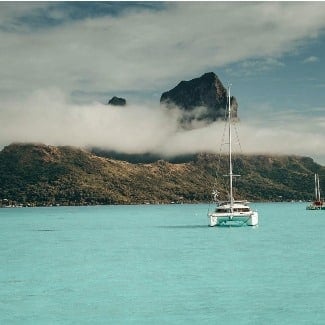
    In French Polynesia, most people choose to rent a boat in Raiatea or Bora Bora, where the most popular charter agencies are located. But Tahiti has many excellent anchorages to explore by private vessel as well, especially in the southern and eastern parts of the island. Here, you can get a taste of Tahiti before the tourist explosion.

  • 4. How Can I Visit Tahiti on a Budget?

    The cheapest way to experience Tahiti as a non-local is to sail there on your own boat. By visiting Tahiti on a sailboat, you can bring your own cheaper foods from the mainland, avoid sleeping in an expensive hotel, and travel between the islands by harnessing the wind and current.

  • 5. What are Some Good Hikes?

    What are Some Good Hikes?

    While Tahiti is most famous as a beach destination, the interior of the island has incredible hiking trails that lead to some lesser-known gems. Check out the Papaeivi Valley to hike through the lush green jungle and to swim under remote waterfalls. For the ultimate trek, consider hiking to the top of Mount Orohena, the highest point on the island.

  • 6. Should I Rent a Car?

    Renting a car is a great way to see part of Tahiti off the beaten path - away from Papeete and the luxury resorts. There are a variety of car rental agencies in Papeete that cost around $100/day. If you are on a budget, you can still get around the island via bus, bicycle or on foot.

  • 7. Can I go Whale Watching in Tahiti?

    Can I go Whale Watching in Tahiti?

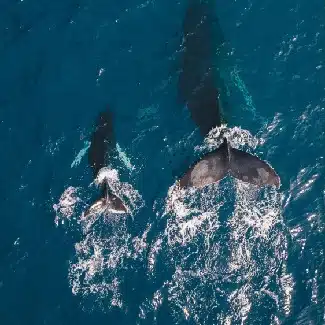
    Tahiti is a great place to visit if you want to see whales. Every year, humpback whales migrate to the waters around Tahiti from Antarctica between August and October. There are a variety of companies offering whale watching tours, or you can take your own boat. You may even get lucky and spot whales while snorkeling or scuba diving. Check out this whale watching tour from Get Your Guide.

  • 8. Can Cyclones Hit Tahiti?

    Most of French Polynesia lies outside the typical range of tropical storms, but they can and do hit the islands on occasion. If you want to be absolutely sure to avoid encountering dangerous weather, plan your trip during the dry season between May and October.

  • 9. Should I visit during the wet season?

    Should I visit during the wet season?

    You may be able to save a few dollars by visiting Tahiti between November and April, but you’ll want to be prepared for serious rainfall. In the wet season, it rains almost every day, and moderate strength storms are not uncommon. Make sure to pack your poncho and umbrella. I you plan on hiking or doing a lot of outdoor activities, it might not be the best time to visit.

  • 10. How Expensive is Tahiti?

    Tahiti is notorious as an incredibly expensive place to visit, and with good reason. Flights to French Polynesia often start at a thousand dollars, and hotels can easily cost hundreds per night. That said, for adventurous travelers there are ways to see Tahiti on a budget. It’s possible to save money on lodging by renting a car or bike and camping out, or by exploring the island on your own boat.

Pin
Share
WhatsApp
Email
Print