Kalalau Trail panorama

27 Top Kalalau Trail Packing List Items for 2026 + What to Wear & NOT to Bring

By - Updated on

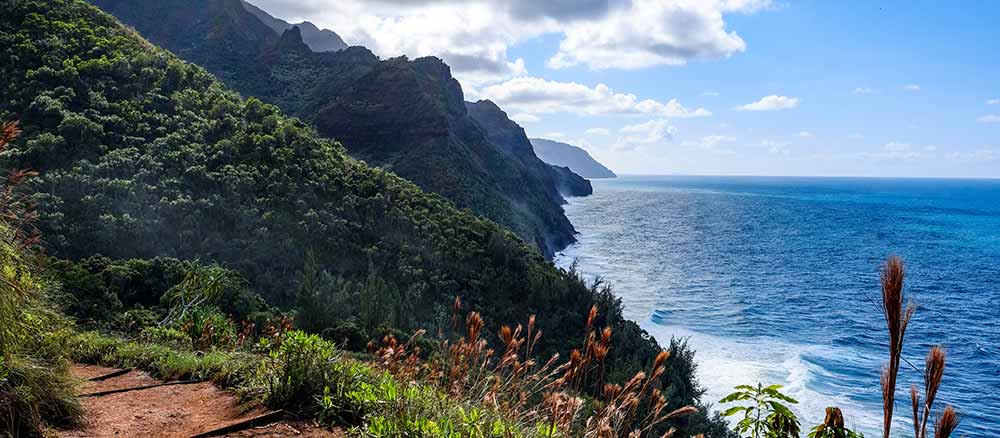
The Kalalau Trail is life-changing. The breathtaking hike takes you along Kauai’s stunning Na Pali coast to arrive at quite possibly the most magical valley and beach in the world, secluded in the middle of the Pacific Ocean.

The hike is challenging and demanding. To make sure you are prepared, we have created a Kalalau Trail Packing list that covers all of the essentials, along with what to wear on the Kalalau Trail. Additionally, we share what NOT to bring and other FAQs.

27 Top Kalalau Trail Packing List Items for 2026 + What to Wear & NOT to Bring
Table of contents
See our product selection criteria and guidelines here.

What to Pack for Kalalau – 27 Essentials

  • 1. Backpack

    Backpack

    A good backpack is essential in any Hawaii packing checklist but doubly so for Kalalau. Because the hike is long and strenuous, it’s important that your backpack is lightweight and comfortable. Make sure your backpack can handle wet weather, as when hiking on a tropical island like Kauai, there’s always a chance of getting soaked. It’s also important to buy for your gender as women’s backpacks are fitted for the female body whereas men’s backpacks distribute the weight differently. Osprey backpacks are fantastic quality, and this one has anti-gravity suspension to make your load feel lighter, which is a lifesaver.

    View on Amazon.com

  • 2. Water Bottle with Built-in Filter

    Water Bottle with Built-in Filter

    A Grayl water bottle filters and purifies water on the go. This is all you need for the Kalalau trail, as you can fill up from any of the numerous streams along the trail as well as the river in the valley. The water in Kauai is wonderful, so it’s definitely preferable to filter with a Grayl rather than to use purification tablets, which can ruin the taste. Many people drink Kalalau’s running water directly, which is dangerous as the rivers may contain life-threatening bacteria. A Grayl will keep you safely hydrated. I’d pack both as a precaution.

    Many people drink Kalalau’s running water directly; however, this is dangerous as the rivers may contain life-threatening bacteria. This powerful bottle will keep you safely hydrated since it removes harmful bacteria, sediment, viruses, microplastics, pesticides, chlorine, and more.

    View on Amazon.com

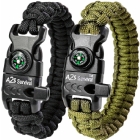
  • 3. Emergency Paracord Bracelet

    Paracord bracelet

    An emergency paracord bracelet is a hiking essential. In addition to 12-foot-long paracord fashioned into a nifty, lightweight bracelet, this one also has a built-in emergency whistle, small knife, compass, and fire-starter. It’s inexpensive and fits on any wrist.

    View on Amazon.com

  • 4. Quick-Dry Travel Towel

    HERO Travel Towel - Blue

    This travel towel dries quickly and packs small, so it’s ideal for hiking and camping. You can use it after splashing in the waves, swimming in the river, or bathing under a waterfall, and then hang it over a tree to dry. A travel towel is much more practical for camping than a normal bath towel.

    View on Amazon.com

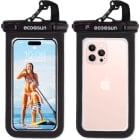
  • 5. Waterproof Phone Pouch

    Waterproof Phone Pouch

    There is no cell service anywhere on the trail or valley. However, if you do pack your phone, definitely make sure to travel with a waterproof phone case. You’re likely to get wet during your hike, whether you get hit with rain or slip during a river crossing. Keep your phone protected! This case is so good that you can even take underwater pictures!

    View on Amazon.com

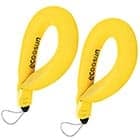
  • 6. Floating Wrist Straps

    Floating Wrist Straps

    Keep your lifeline attached to you with this flotation wrist strap. It could be your main camera on this hike and the ocean does not negotiate hostage returns. This keeps your phone from being an offering to the Hawaiian sea gods or as you cross gorgeous rivers. It’s like a cute little life vest for whatever essentials you need to be a little extra buoyant!

    View on Amazon.com

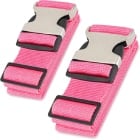
  • 7. Luggage Straps

    Luggage Straps

    Strap these babies to your checked luggage to prevent a suitcase explosion nightmare! Baggage handlers can be rough with your stuff, simply put. And these adjustable belts cinch everything in to reinforce your fragile zippers. You can also use these on the hike to squeeze items to be more compact, create a makeshift handle, or keep soggy gear attached to your backpack.

    View on Amazon.com

  • 8. Waterproof Camera

    Waterproof Camera

    If you carry a camera, make sure it is waterproof. Between rain and river crossings, there is simply too much risk in packing a camera that will damage when wet. The views you’ll see along the trail, on Kalalau beach and in the valley are likely to be the most beautiful of your life – so a waterproof camera is quite important!

    View on Amazon.com

  • 9. Mesh Slip-On Water Shoes

    Water Shoes

    It’s important to wear good waterproof shoes when you explore the valley so that you can jump in and out of the river. Normal hiking shoes are not an option for this. These slip-on water shoes are lightweight, quick drying and breathable, and will be no hassle to carry with you. They also have fantastic grip, which is extra important for slippery trails.

    View on Amazon.com

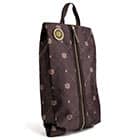
  • 10. Water-Resistant Shoe Bags

    Water-Resistant Shoe Bags

    Don’t bring the hike home with you. These water-resistant shoe bags keep the red dirt, sand, and clay exactly where they belong – outside of your backpack. These create a nic,e separate home for your kicks to create a more sanitary experience overall. You don’t want to unpack a sedimentary time capsule, and sand flying out on your bedroom floor is not fun, I speak from experience.

    View on Amazon.com

  • 11. Solar Charger

    Solar Charger

    Obviously, there is no electricity anywhere in Kalalau! If you want power for your electronics, use the sun. There is no shortage of sunshine in Kalalau, so you’ll have no problem with solar charging. This charger is very quick-charging and efficient, and also comes with the added bonuses of a built-in flashlight, strobe, and compass, so it’s perfect for the outdoors.

    View on Amazon.com

  • 12. Waterproof Compression Sacks

    Waterproof Compression Sacks

    A non-negotiable for treading through rivers, beaches, and the Kauai humidity. These waterproof compression sacks serve a dual purpose of saving room in your backpack and also keeping your belongings dry. These sacks compress your clothes, sleeping bag, and towel, removing air to pack down smaller. In a tropical downpour, you’ll be especially grateful for added rain protection, particularly for any valuables you might carry with you.

    View on Amazon.com

  • 13. Travel Insurance for the Kalalau Trail

    Travel Insurance for the Kalalau Trail

    Make sure that you have great travel insurance for hiking the Kalalau trail. The trail can be dangerous, particularly in wet conditions, so accidents can happen. Don’t skimp on your insurance for a trail as risky as Kalalau. Faye is super affordable and covers pretty much anything related to trael (emergy medical, telehealth, cancellations, delays, missed flights, lost baggage, extreme sport, etc. Even if it’s a domestic trip with health coverage, it can be limited in a new state. Faye offers specialized insurance for travel and it’s saved our butts many times. We simply don’t travel without it.

    Get a quote in less than 60 seconds with Faye

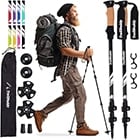
  • 14. Collapsible Hiking Poles

    Collapsible Hiking Poles

    I wouldn’t embark on this trail without these. Of course, you are strong enough to do it! But why not make things a little easier on yourself? This will take the brunt of those steep hills and alleviate some pressure on your joints. The extra support is the difference between powering through those last few miles and negotiating a potential backtrack. This one has attachments for slippery mud and gravel, you’ll thank yourself on the way up (and especially on the way down!)

    View on Amazon.com

  • 15. Tent

    Tent

    Of course, your tent will be your home in Kalalau! This Marmot tent is top of the line. It’s lightweight, spacious, easy to set up, and durable for wet weather. What I especially like is that on a cloudless night, you can keep the rainfly off to stargaze and feel the beautiful, fresh air of Kalalau.

    View on Amazon.com

  • 16. Sleeping Bag

    Sleeping Bag

    For sleeping, pack a comfortable, lightweight sleeping bag. While you don’t need a particularly warm sleeping bag, nights can get chilly, so it’s nice to have lightweight down that can keep you comfortable. This sleeping bag is also water resistant, and dries quickly in case it does get wet, which are important features for tropical island camping.

    View on Amazon.com

  • 17. Travel Hammock

    Travel Hammock

    Particularly if you explore the Kalalau Valley, the mosquitoes are intense. I once emerged from a day in the valley with my entire body covered in bites. These easy-to-wear, DEET-free mosquito wristbands help minimize bites. These mosquito repellent wrist bands remove the hassle of bites. They’re comfortable and lightweight, and unlike spray, they won’t leak chemicals into the river or wash off when you swim.

    View on Amazon.com

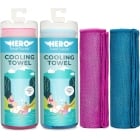
  • 18. Cooling Towels

    Cooling Towels

    It can feel like a sauna when going uphill in the humidity of Hawaii. These cooling towels will feel like sweet relief! Simply add water and they stay cool for 30 to 60 minutes, when you're ready for more refreshment, just add more water and wring it out. It's chemical-free but works like magic to give you a taste of AC until you're back in civilization! I wrap it around my neck, and it makes the hike so much more enjoyable.

    View on Amazon.com

  • 19. Hanging Toiletry Bag

    hanging toiletry bag

    Instead of juggling your toiletries on a tree branch, use this hanging toiletry bag to get things off the wet, muddy ground. It keeps all of your essentials organized so you're not digging around looking for toothpaste and moisturizer, or literally fighting the bugs off. We keep this packed for all of our trips, whether we're going on an international or a weekend getaway since it allows you to set up a mini bathroom anywhere you roam.

    It is moisture-resistant and the elastic bands to hold bottles in place is a nice touch. It has enough room for our family’s skincare, haircare, and dental hygeiene products, plus my wife’s makeup. It folds down small and light, making it one of those tiny comforts you’ll be absurdly grateful for on day 3.

    View on Amazon.com

  • 20. Waterproof Pocket Blanket

    Waterproof Pocket Blanket

    Have a picnic on the beach, settle in over a cliffside for some epic views, or just chill at your campsite on this waterproof and sand-proof travel blanket. It folds down to take up virtually no space in your daypack, but it’s the perfect place for most of your hangs, including sunrise sights and being able to sit down comfortably by the riversides for a break.

    View on Amazon.com

  • 21. Packing Cubes

    packing cubes

    Instead of rummaging through a hectic daypack or tent, use these packing cubes to stay organized. They’re the easiest way to label ‘pants, shirts, essentials’ etc., and never have to tear apart your entire packing system again to find that long lost sock. Once you try them, you won’t go back to a cubeless travel experience.

    View on Amazon.com

  • 22. Head Lamp

    Head Lamp

    A headlamp is essential for after dark. It’s so much easier than carrying around a flashlight, especially for tasks like cooking. This one is comfortable, lightweight, waterproof and durable. It stays charged for 36 hours, so it should last throughout your trip.

    View on Amazon.com

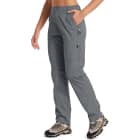
  • 23. Convertible Hiking Pants

    Hiking Pants

    If you want shorts, you’re set. If you want long pants, you’re set! These pants are incredible at shapeshifting, with a silver fiber material that dries quickly and disperses heat for temperature regulation. If you’re trying to protect your legs, zip them on at the knee. If you get mud on your pant leg, just take them off. It’s super useful and these even have UPF 50 to protect you from farmful UV rays. Here’s an option for men.

    View on Amazon.com

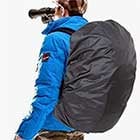
  • 24. Backpack Cover

    rain cover for backpack

    With all the humidity, rain, and moisture, a backpack cover is a wise iea. Even in the wildest of elements, it’s nice to unpack with a completely dry backpack and it straps on securely while weighing basically nothing. These work even better than we expected and you can pick the right size for your backpack.

    View on Amazon.com

  • 25. Deet Free Mosquito Wristbands

    Deet Free Mosquito Wristbands

    Particularly if you explore the Kalalau Valley, the mosquitos are intense. I once emerged from a day in the valley with my entire body covered in bites. These easy to wear deet-free mosquito wristbands to minimize bites. These mosquito repellent wrist bands remove the hassle of bites. They’re comfortable and light to wear, and unlike spray they won’t leak chemicals into the river or wash off when you swim.

    View on Amazon.com

  • 26. Lightweight Camping Cooking Set

    Lightweight Camping Cooking Set

    This lightweight mess kit comes with everything you need for comfortable eating and drinking in the valley – a pot, a pan, a kettle, two stainless steel cups, and a cutlery set. It all folds together and packs into a mesh bag so that it’s easy to hike with. All the pieces are nonstick, durable and easy to clean.

    View on Amazon.com

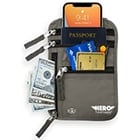
  • 27. Neck Wallet

    Neck-Wallet

    This neck wallet will come in clutch throughout your adventures because it keeps the essentials at arm’s reach – ID, permit, cash, credit cards, phone, etc. are all dry and safe on your body at all times. I’ve lost my phone during a rigorous hike through rivers and mud – learning the hard way that every item is one slip away from being soaked or lost. Trust and believe, it’s a headache you want to avoid if you can!

    We use this wallet for all our travels since it’s RFID-blocking to stop e-theft in busy areas prone to theft, but for the outdoors, it’s high-quality and rip-resistant as well as water-resistant.

    View on Amazon.com

What to wear in Kalalau

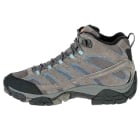
Woman hiking Kalalau Trail For hiking the Kalalau Trail, plan to wear lightweight, sweat-wicking hiking clothes, including shorts and a t-shirt. With such warm weather, you’ll be uncomfortable hiking in anything with long sleeves. Crucially, make sure that you wear good hiking shoes that are quick-drying or waterproof and have fantastic grip. Certain parts of the trail, such as Crawler’s Ledge, can be very dangerous without the right shoes. Quick-drying shoes are particularly important for rain, mud, and river crossings on the trail.

When in Kalalau, the vibe is casual, relaxed, and bohemian, freed, and hidden from society. Some people in Kalalau don’t even wear clothing at all! Pack quick-drying and comfortable beachwear for when you’re relaxing, recuperating, and exploring. Keep your clothing to a minimum though, to keep your backpack as light as possible. I simply re-wear the same comfortable, quick-drying outfits when I’m in Kalalau.

What women should wear in Kalalau – (Click to expand)

Below is a sample women’s clothing list. (All items link to Amazon.com for your convenience).

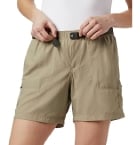
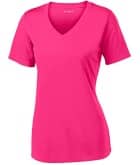
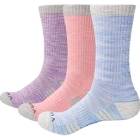
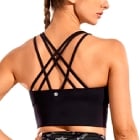
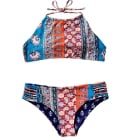
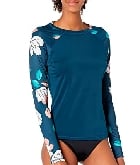
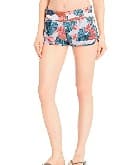
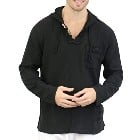
For the hike, women should wear waterproof, quick-drying, and breathable hiking shoes with a fantastic grip, as well as comfortable hiking shorts and a moisture-wicking t-shirt. Meanwhile, for Kalalau beach, women should have a swimsuit, swim shorts, and a beach cover-up. A rashguard can also be good to keep cool and for protection from sunburn. Mesh water shoes are fantastic for exploring the valley and swimming in the Kalalau river. Nights can get slightly chilly, so it’s a good idea to also pack a lightweight hoodie as well as breathable lightweight pants that are comfortable enough to sleep in.

What men should wear in Kalalau – (Click to expand)

Below is a sample men’s clothing list. (All items link to Amazon.com for your convenience).

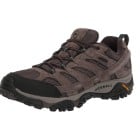
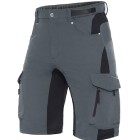
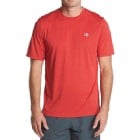
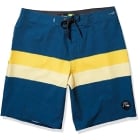
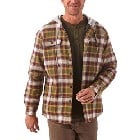
For the hike, men should wear waterproof, quick-drying, and breathable hiking shoes with fantastic grip, as well as comfortable, quick-drying hiking shorts and a moisture-wicking t-shirt. They should also pack swim trunks for the beach, as well as a rashguard to keep cool and protected from the sun. For exploring the valley, men should wear mesh water shoes for swimming in the river, along with their swim trunks and rashguard. Nights can be slightly chilly, so loose and comfortable lightweight pants may be comfortable for stargazing, sitting by the fire, and sleeping. It’s also a good idea to pack a lightweight long sleeve shirt, as well as a comfortable flannel.

Packing for the Seasons in Kalalau

Kauai has two seasons: rainy and dry. The wetter months are October through March, which is also when days are slightly shorter with the sun setting earlier. During the drier season, April through September, the rain is less frequent and days are warmer and longer. The summer months, June through September, are particularly dry and hot. Though the heat makes hiking less comfortable, it is much safer to hike the Kalalau trail during these drier summer months, as too much rain can make the trail slippery and dangerous, with potentially hazardous flash flooding at the river crossings.

  • Rainy Season – October, November, December, January, February, March

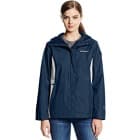
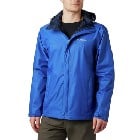
    Average temperatures during the rainy season, from October through March, are 77-79°F (25-26°C). The air is cooler and wetter with frequent rain. This wet weather can make hiking the Kalalau trail very dangerous, so it is not advisable to hike the Kalalau trail during the rainy season. Particularly if you are an inexperienced hiker, wait until the dryer summer to hike the Kalalau trail. If you do hike the trail during the rainy season, be sure to pack a rain jacket (men, women) as well as a poncho , along with quick drying hiking shorts (men,  women) and t-shirts (men,  women) The nights can be slightly chilly, so pack a comfortable hoodie for sleeping (men,  women) or a flannel as well as warm hiking socks

  • Dry Season – April, May, June, July , August, September

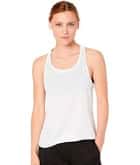
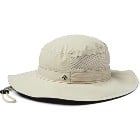
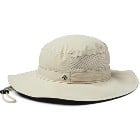
    With average temperatures ranging from 82-85°F (27-29°C), the dry summer season is very hot, particularly from June through September. You can hike in lightweight athletic shorts (men, women) and tank tops (men,  women), and be sure to wear a good hat for added sun protection.

Dressing appropriately for the activity – (Click to expand)

Hiking: For hiking, it’s most important that you wear amazing hiking shoes. They should be waterproof and quick-drying, and they should have a suitable grip for wet and unstable terrain. Wear quick-drying hiking shorts, a moisture-wicking t-shirt, and a hiking hat to keep you cool and comfortable in the sun and when you sweat.

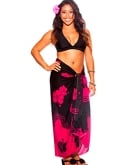
Beach: For the beach, wear swimwear, including a rashguard to keep cool and protected from the sun. Women can pack a cute beach dress, sarong, or cover-up as well. Sunglasses will be necessary during certain parts of the day, as well as reef-safe sunscreen and a hat. The sand can be very hot in the middle of the day, so you may be more comfortable wearing water shoes when walking the beach too.

Exploring the valley: Definitely wear water shoes as well as waterproof swimwear for exploring the valley, as you may want to alternate between walking through the forest and dipping, swimming and crossing the river.

Campfires: At night, you may find yourself sitting by a fire or stargazing on the beach. For night activities, wear comfortable, breathable and loose-fitting long pants and long sleeves, as nights may get just slightly chilly. A lightweight hoodie or flannel may also be good for sitting out at night and sleeping.

What NOT to bring on the Kalalau Trail

  • 1. Too many clothes

    There’s really no reason to overburden yourself with too much clothing for the Kalalau trail. Instead, bring clothing that is moisture-wicking, quick-drying, and athletic that you can wear repeatedly.


  • 2. More than one book

    You may want one book for a relaxing beach day once you’re in Kalalau, otherwise books are heavy and risky to pack in. You’re likely to get wet on the trail one way or another, which means your books might get soaked. Anyway, there is far too much to do and see to spend a lot of time reading.

  • 3. Electronics

    There’s no cell service or Wi-Fi in Kalalau or anywhere on the trail, so keep your electronics to a minimum. There’s no reason to bring in speakers or headphones either, as you should really just enjoy the natural sounds and respect the quiet. Electronics are a big risk to carry in, and unless they’re important to your safety, like a headlamp, they’re really not necessary!

  • 4. Bath towel

    A bath towel is heavy, bulky and impractical for Kalalau. To dry yourself, pack a practical and quick-drying travel towel instead.

  • 5. Pollutant washing liquid/shampoo/soap

    If you bathe in Kalalau, you will do so under a gorgeous waterfall. Likewise, there is nowhere but in nature to wash your dishes. For this reason, pack eco-friendly camp soap that won’t pollute the pristine valley and beach with chemicals. Camp soap can clean both your body and your dishes so that you don’t have to pack in too much.

  • 6. The wrong sunscreen

    It’s important to wear sunscreen, but it’s essential not to damage Hawaii’s reef and ocean ecosystems when you do so. Make sure that you wear specifically reef-safe sunscreen for the Kalalau trail.

What NOT to wear in Kalalau – (Click to expand)

Most essentially, everything that you wear in Kalalau and on the trail should be quick drying. Do NOT pack any shoes that are impractical and that don’t dry quickly. Even flip flops are a bit inessential and are better replaced with more practical and durable mesh slip-on water shoes. There is no need for any uncomfortable clothing, and fashion should certainly take a backseat to durability, coolness, and waterproofing. Leave any heavy materials behind.

FAQs about hiking the Kalalau Trail

  • 1. What skill level do I need to hike the Kalalau Trail?

    The Kalalau Trail is strenuous and very dangerous at certain parts. You should be a fairly experienced hiker and reasonably fit to hike the Kalalau Trail. If you are inexperienced, at least hike in with someone who is or who has hiked the trail before. It’s also important to familiarize yourself with risks of the trail and tropical weather before hiking, including flash flooding and river-crossing safety. Many hikers will feel more comfortable splitting the hike into two days by camping at Hanakoa on your way in and out. Hanakoa has a stunning waterfall and is a beautiful place to spend a night and ease your hike!

  • 2. What safety precautions should I take?

    Check the weather forecasts before you hike. If too much rain is predicted, the hike is too dangerous. I’ve been caught at Crawler’s Edge in heavy rain and have sworn to myself never to do that again! In rain, take extra care when crossing rivers, as flash flooding can happen unexpectedly and can be fatal even to experienced hikers. With strong waves and dangerous currents, Kalalau beach, as well as Hanakapiai beach along the trail, is normally not safe for swimming. The summer months can be calmer for swimming, but make careful judgments and be aware at all times when entering the water. Do not swim far unless you are highly experienced and comfortable in the ocean.

  • 3. What are the best months to hike the Kalalau Trail?

    The Kalalau trail is best in the drier summer months when it is safer. May is especially great because it is dry but also slightly cooler than deeper in the summer, making the hike and beach more comfortable.

  • 4. How can I be respectful of the trail, the valley, and the beach?

    The trail, valley, and beach are pristine and absolutely gorgeous. When hiking and camping, it is essential to respect the sacred beauty of this part of the island. Do not leave any trash, and take in what you take out. Wear reef-safe sunscreen, and stick to natural insect repellents and eco-safe soaps that won’t leak chemicals into the environment. Make sure that you have a permit to camp in Kalalau, as this regulates the number of campers in order to keep camping sustainable, and you can also receive an astronomical fine if you get caught camping without a permit. Keep in mind that Kalalau is sacred to Hawaiians. There are heiaus along the trail, near the beach, and in the valley. These are Hawaiian temples and may be difficult to identify for unfamiliar eyes. For this reason, do not move any stones or alter the environment in any way. Treat the trail with gratitude and respect.

Pin
Share
WhatsApp
Email
Print